Explainer
Which food preservation method is right for you?
Published
Short answer
Freezing is the easiest method for most foods, and vacuum sealing makes frozen food keep its quality longer. Canning gives shelf stable jars but needs tested recipes, and a pressure canner for low acid foods. Dehydrating is cheap and compact for fruit, herbs and jerky. Freeze drying gives the lightest, longest lasting pantry food but costs the most. Many households combine two or three methods.
Gear for this job
All 7 picks compared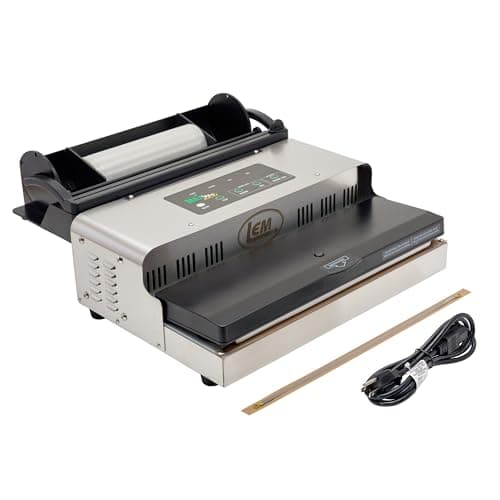
LEM MaxVac 1000: 24 Hg and 1000 seals in a row
See price on AmazonSee it on Amazon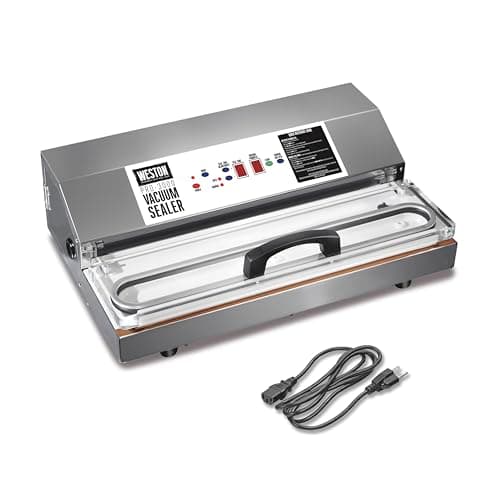
Weston Pro-3000: programmable seal time, 15 in bags
See price on AmazonSee it on Amazon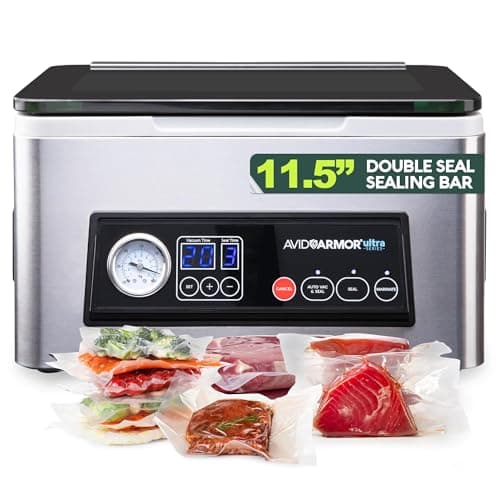
Avid Armor USV20: the chamber alternative
See price on AmazonSee it on Amazon
This page is for anyone deciding how to preserve garden harvests, bulk meat or leftovers, or which appliance to buy first. We compare freezing, vacuum sealing, water bath canning, pressure canning, dehydrating and freeze drying on upfront cost, effort, storage space, what each suits and what published guidance says about storage life. Storage times here are quality guidance from USDA FSIS and NCHFP, or clearly marked maker claims. For detailed figures by food, use our storage life table.
The methods at a glance
Each method works by stopping microbes and slowing quality loss in a different way: cold, removing air, heat and sealing, or removing water.
- Frozen at 0 FSafe indefinitely; best quality 1 to 12 months by foodUSDA FSIS
- Vacuum sealedSame freezer times, less freezer burnUSDA FSIS
- Home cannedBest quality within 1 year, cool and darkNCHFP
- Home driedFruit about 1 year at 60 F, 6 months at 80 FNCHFP
- Freeze driedUp to 25 years in mylar with an oxygen absorberMaker claim
Freezing
Upfront costLow (freezer)
Effort per batchLow
StorageFreezer space; needs power
Best forMeat, fish, cooked meals, most produce
Vacuum sealing + freezing
Upfront costLow to moderate
Effort per batchLow
StorageFreezer space; less freezer burn
Best forBulk meat, game, portioned meals
Water bath canning
Upfront costLow
Effort per batchModerate to high
StorageShelf stable pantry jars
Best forFruits, jams, pickles, acidified tomatoes
Pressure canning
Upfront costModerate
Effort per batchHigh
StorageShelf stable pantry jars
Best forVegetables, beans, meat, stock
Dehydrating
Upfront costLow to moderate
Effort per batchModerate
StorageSmall, shelf stable
Best forFruit, herbs, jerky, vegetables for soups
Freeze drying
Upfront costHigh
Effort per batchLow hands on, long cycles
StorageLightweight, shelf stable when sealed
Best forWhole meals, fruit, dairy, meat, snacks
| Method | Upfront cost | Effort per batch | Storage | Best for |
|---|---|---|---|---|
| Freezing | Low (freezer) | Low | Freezer space; needs power | Meat, fish, cooked meals, most produce |
| Vacuum sealing + freezing | Low to moderate | Low | Freezer space; less freezer burn | Bulk meat, game, portioned meals |
| Water bath canning | Low | Moderate to high | Shelf stable pantry jars | Fruits, jams, pickles, acidified tomatoes |
| Pressure canning | Moderate | High | Shelf stable pantry jars | Vegetables, beans, meat, stock |
| Dehydrating | Low to moderate | Moderate | Small, shelf stable | Fruit, herbs, jerky, vegetables for soups |
| Freeze drying | High | Low hands on, long cycles | Lightweight, shelf stable when sealed | Whole meals, fruit, dairy, meat, snacks |
Freezing and vacuum sealing
Freezing is the simplest method and works for nearly everything. USDA FSIS states that food kept constantly at 0 F stays safe indefinitely, and gives storage times for best quality, such as about 4 to 12 months for steaks and roasts and about 2 to 3 months for soups and stews. The downsides are freezer space, power dependence and freezer burn.
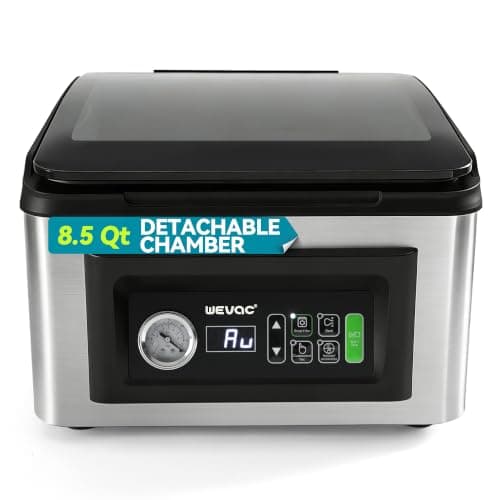
Vacuum sealing removes air before freezing, which greatly reduces freezer burn and keeps quality longer. It does not make food shelf stable, and sealed fresh food still needs refrigeration or freezing. See how long vacuum sealed meat lasts, freezer burn prevention and our best vacuum sealers.
Note.Vacuum sealing is not a substitute for refrigeration or freezing. Low oxygen packaging can allow Clostridium botulinum to grow in perishable food kept at room temperature.
Canning: water bath and pressure
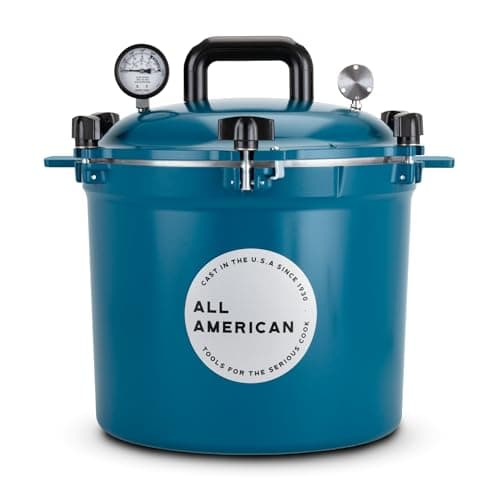
Canning heats food in sealed jars to destroy microbes and create a vacuum seal, giving shelf stable jars that need no power. High acid foods can be processed in a boiling water bath. Low acid foods, such as vegetables, beans, meat and stock, must be pressure canned. See what foods need pressure canning.
Canning has the strictest rules of any method. You must use tested recipes from USDA, NCHFP or extension sources, adjust pressure for altitude and never improvise times. NCHFP advises using home canned food within about a year for best quality, stored at 50 to 70 F in a dark, dry place. See how long home canned foods last and our best pressure canners.
Note.Under-processed low acid canned food can contain botulism toxin with no visible signs. Use only tested recipes and the correct pressure for your altitude.
Dehydrating
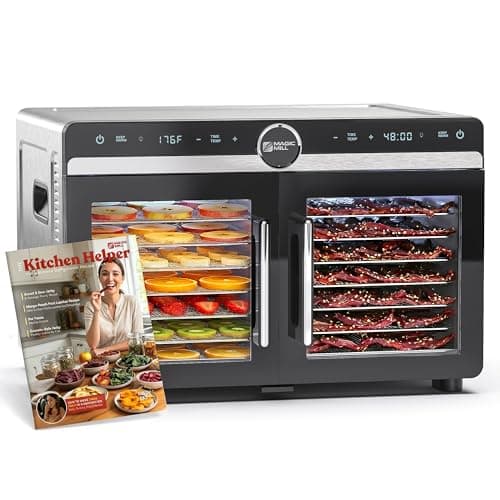
A dehydrator removes most of the water with warm air. Dried food is compact, light and shelf stable when properly dried and packed. It suits fruits, vegetables for soups, herbs and jerky. Texture changes: food shrinks and gets chewy or crisp, and rehydration is slower than freeze dried food.
NCHFP notes most dried fruits keep about 1 year at 60 F and about 6 months at 80 F, and vegetables about half as long. FSIS lists home dried jerky at about 1 to 2 months at room temperature. Costs are low, and a good dehydrator is far cheaper than a freeze dryer. See what can you dehydrate and our best food dehydrators.
Freeze drying
A freeze dryer freezes food and removes water by sublimation under vacuum. Food keeps its shape, color and much of its flavor, weighs very little and rehydrates quickly. It handles foods other methods struggle with, including whole meals and many dairy items. See how a freeze dryer works.
The trade offs are price, noise, space, power use and batches that often run a day or more. Long shelf life figures, such as Harvest Right's claim of up to 25 years in sealed mylar with an oxygen absorber, are manufacturer claims, not USDA figures. Freeze drying does not cook food or reliably kill bacteria. See is a freeze dryer worth it and freeze dryer vs dehydrator.
How to choose
Start with what you preserve most and where you will store it. Many households combine methods: a vacuum sealer for bulk meat, a canner for garden vegetables, a dehydrator for herbs and snacks.
Whatever you choose, follow tested guidance for safety, label everything with the date and rotate stock so older food gets used first. Our guides to chamber vacuum sealers and pressure canners are good next steps.
- Mostly meat and leftovers, have freezer space: vacuum sealer plus freezer.
- Big garden, want pantry jars: water bath and pressure canner.
- Fruit, herbs and jerky, little space: dehydrator.
- Long term pantry, emergency food, camping meals, bigger budget: freeze dryer plus mylar bags.
- Power outages are a concern: canned, dried or freeze dried food does not depend on electricity once made.
Frequently asked questions
What is the best way to preserve food at home? It depends on the food and your space. Freezing is the easiest, canning and drying give shelf stable food, and freeze drying gives the longest shelf life at the highest cost.
Which method keeps the most nutrients? Freezing and freeze drying generally keep nutrients and flavor well. Canning and drying cause more loss of some heat sensitive vitamins.
Is vacuum sealing a preservation method on its own? No. It improves quality in the fridge or freezer but does not make perishable food shelf stable.
Can I can anything in a water bath? No. Only high acid or properly acidified foods. Low acid foods need a pressure canner and a tested recipe.