Explainer
Is a freeze dryer worth it?
Published
Short answer
A home freeze dryer is worth it if you put up large amounts of food on a regular schedule: a big garden, bulk meat, ready meals for camping or emergency storage, or freeze dried candy you plan to sell. If you preserve a few batches a year, a dehydrator, a good freezer and a vacuum sealer cost far less and cover most of the same jobs.
Gear for this job
All 7 picks compared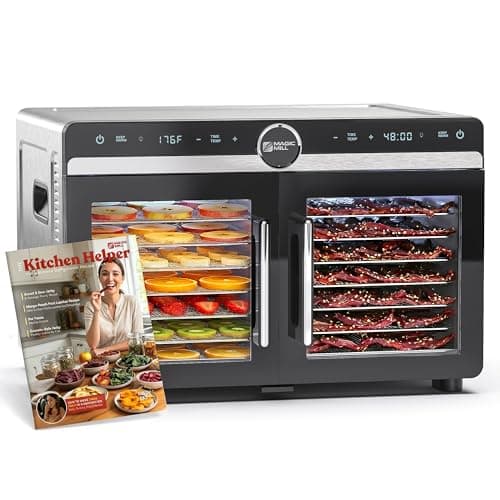
Magic Mill DualZone: 16 trays in two chambers
See price on AmazonSee it on Amazon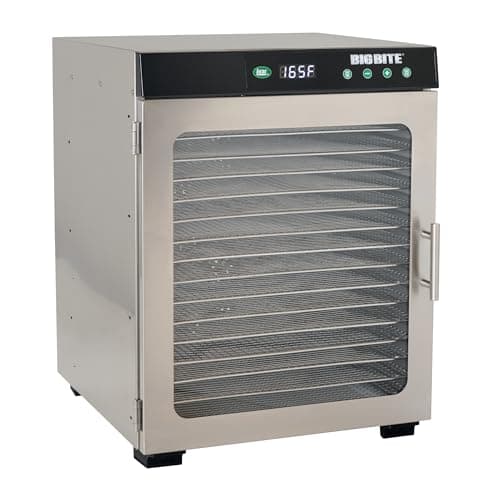
LEM BigBite 16-Tray: 19 sq ft, 1200 watts
See price on AmazonSee it on Amazon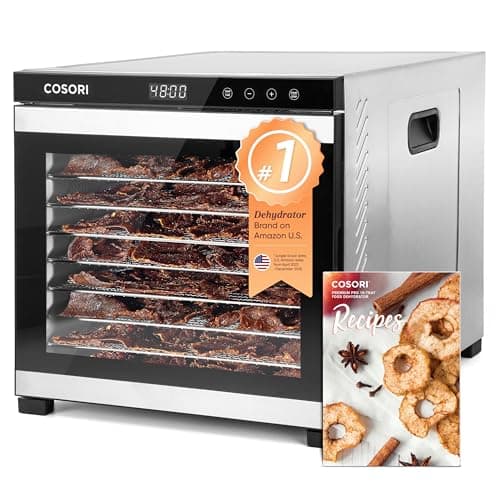
Cosori 10-Tray: 16.2 sq ft of stainless trays
See price on AmazonSee it on Amazon
A home freeze dryer is one of the most expensive appliances a household can buy, and it takes floor space, power and patience. This page is for anyone weighing that purchase against cheaper methods. It covers what a freeze dryer does that nothing else at home can, who tends to get steady use out of one, who usually does not, the ongoing costs people forget to budget for, and the cheaper combination of tools that handles most preservation for less. If you are still learning the basics, start with how a freeze dryer works and come back.
What a freeze dryer does that other methods cannot
A freeze dryer freezes food solid, pulls a deep vacuum, then gently warms the shelves so the ice turns straight to vapor and collects on a cold condenser. Because the food is never cooked hard or dried with hot air, it keeps its shape, color and much of its texture, and it rehydrates far better than dehydrated food. It also handles foods a dehydrator does poorly or not at all, such as whole cooked meals, dairy dishes, eggs and soups.
Packed correctly in moisture proof containers with oxygen absorbers, freeze dried food stores far longer at room temperature than dehydrated food. Long shelf life claims for home freeze dried food come from the makers, not from USDA testing, so treat any multi decade number as a best case that depends on very low moisture and airtight packaging. See how long freeze dried food lasts for the caveats.
- 1FreezeTrays chill well below freezing so the water in the food turns to ice.
- 2Vacuum pullThe pump lowers the chamber pressure until ice can turn straight to vapor.
- 3Primary dryingShelf heaters add gentle heat. Ice sublimates and the vapor freezes onto the cold condenser.
- 4Final dryWarmer shelves drive off the last bound moisture before the batch ends.
Who usually gets value from a freeze dryer
The households that keep a freeze dryer running are the ones with a steady supply of food to process. The machine pays off through use, so the question is less about money and more about how often it would actually run.
- Big gardens and orchards. Gardeners with more produce than the freezer can hold, and who want shelf stable results that taste close to fresh.
- Bulk meat buyers and hunters. People who buy a side of beef or process game and want some of it shelf stable rather than taking up freezer space.
- Emergency and off grid storage. Households building a pantry that does not depend on power, where freezer contents would be at risk in an outage.
- Backpackers and campers. Lightweight full meals made from your own recipes instead of buying commercial pouches.
- Candy sellers. Freeze dried candy is a popular product, and small sellers often run back to back candy batches. Check your state and local cottage food rules before selling any food.
- Special diets. Families who need allergy safe or specific diet meals that are hard to buy shelf stable.
Who is often better served by a dehydrator and freezer
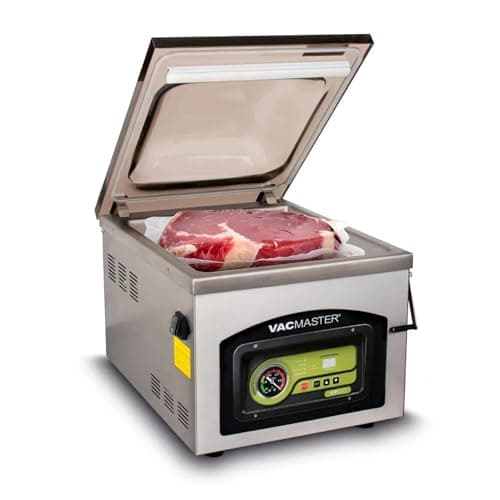
If you dry a few trays of apples, make jerky now and then, and freeze leftovers, a freeze dryer will likely sit idle much of the year. A quality dehydrator handles fruit, vegetables, herbs and jerky well, and a chest freezer plus a vacuum sealer protects meat and prepared meals for months with good quality.
Small kitchens and apartments are another poor fit. Home freeze dryers are large, heavy, and run for many hours per batch with a vacuum pump that makes noise and, on oil pumps, needs regular oil changes. Many people put them in a garage, basement or utility room, and that space needs to stay within the temperature range the maker lists.
Compare the two methods side by side in freeze dryer vs dehydrator, and look at food preservation methods compared for the full picture.
Costs to budget beyond the purchase price
The sticker price is only the start. Before you buy, list the ongoing costs and the setup needs so the machine does not surprise you.
Electricity
What to plan forBatches run for many hours to more than a day. Check the maker's power draw and your local rate.
Circuit
What to plan forLarger units may need a dedicated circuit or a specific outlet. Read the electrical spec before delivery.
Pump maintenance
What to plan forOil pumps need oil filtering or changes on a schedule. Oil free pumps cost more up front.
Packaging
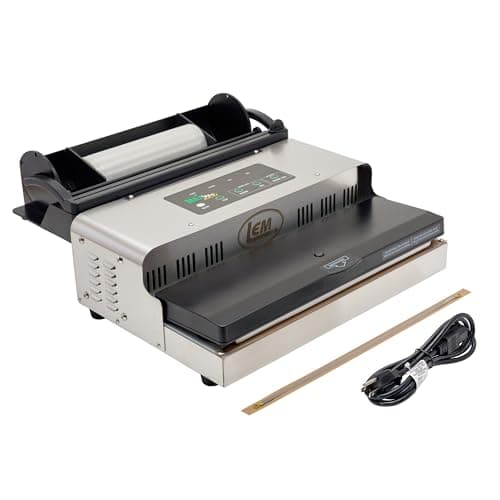
What to plan forMylar bags, oxygen absorbers and an impulse or vacuum sealer for closing bags.
Space and climate
What to plan forFloor or cart space with airflow, kept within the room temperature range in the manual.
Time
What to plan forLoading, defrosting the chamber, packing and labeling every batch.
| Item | What to plan for |
|---|---|
| Electricity | Batches run for many hours to more than a day. Check the maker's power draw and your local rate. |
| Circuit | Larger units may need a dedicated circuit or a specific outlet. Read the electrical spec before delivery. |
| Pump maintenance | Oil pumps need oil filtering or changes on a schedule. Oil free pumps cost more up front. |
| Packaging | Mylar bags, oxygen absorbers and an impulse or vacuum sealer for closing bags. |
| Space and climate | Floor or cart space with airflow, kept within the room temperature range in the manual. |
| Time | Loading, defrosting the chamber, packing and labeling every batch. |
Note.Freeze drying does not kill bacteria. Handle raw ingredients safely, cook meat and eggs as you normally would before freeze drying, and keep finished food dry and sealed.
A quick test to decide
Answer these honestly. If most answers are yes, a freeze dryer is likely to earn its keep. If most are no, put the money toward a dehydrator, a vacuum sealer and freezer space first.
- 1
Would you run a batch at least a few times a month for most of the year?
- 2
Do you have food that currently goes to waste or overflows the freezer?
- 3
Do you need shelf stable food for camping, emergencies or a small business?
- 4
Do you have a suitable room, outlet and space for packaging supplies?
- 5
Are you comfortable with routine pump maintenance and long cycle times?
Picking a size if you do buy
Most people who outgrow a home freeze dryer bought too small, and most people who regret one bought too big for how much they really process. Base the size on a realistic weekly amount, not your biggest harvest week. Our guide to what size freeze dryer you need walks through tray area and batch planning, and how much a freeze dryer costs breaks down the price tiers. For brand comparisons see Harvest Right vs Blue Alpine.
Frequently asked questions
Does a freeze dryer save money? It can, but only with steady use. Savings come from food that would otherwise spoil and from replacing commercial freeze dried meals. Occasional users rarely recover the cost.
Can a freeze dryer replace my freezer? Not completely. Freezing is still the simplest way to keep most raw meat and everyday food. A freeze dryer adds shelf stable storage for part of what you preserve.
Is a dehydrator a good alternative? For fruit, vegetables, herbs and jerky, yes. A dehydrator cannot make shelf stable full meals or dairy with the same quality, and dried food keeps for a shorter time.
Is freeze dried food automatically safe? No. Freeze drying removes water but does not cook or sterilize food. Start with safely handled food, keep it dry and sealed, and discard anything that smells off or shows moisture.