Explainer
How long do home canned foods last?
Published
Short answer
The National Center for Home Food Preservation (NCHFP) advises using home canned food within one year for best quality. Properly processed and sealed jars stored in a cool, dry, dark place may stay safe longer, but quality slowly declines. Any jar with a loose or bulging lid, leaks, spurting liquid, mold or an off smell should be discarded without tasting.
Gear for this job
All 7 picks compared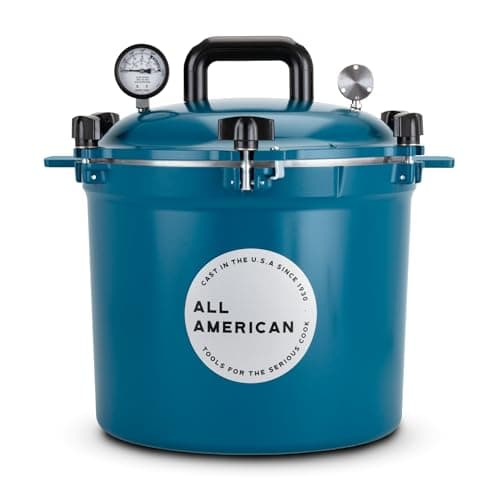
All American 921: 21.5 qt, gasketless metal seal
See price on AmazonSee it on Amazon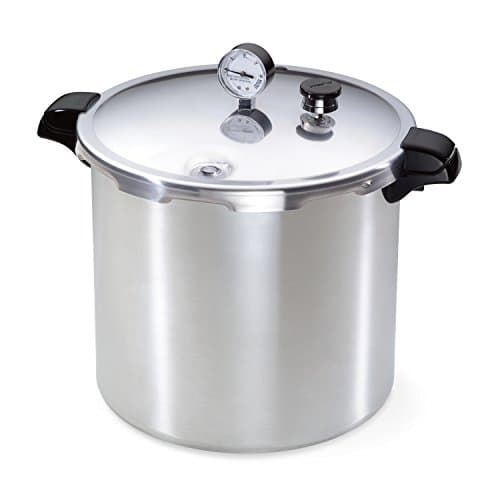
Presto 01781: 23 qt, 7 quarts, dial gauge
See price on AmazonSee it on Amazon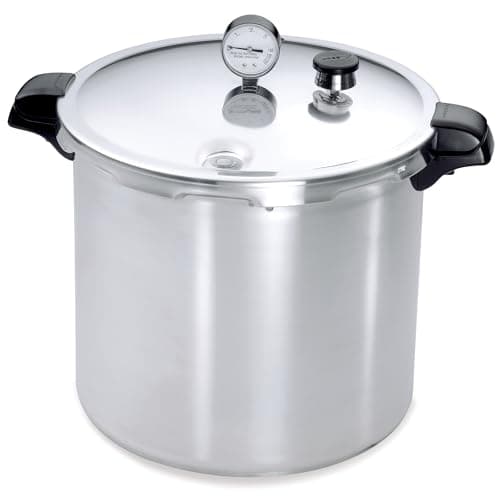
Presto 01784: 23 qt canner that works on induction
See price on AmazonSee it on Amazon
A pantry of home canned vegetables, meats and sauces is satisfying, and the natural question is how long it keeps. The answer has two parts: quality and safety. This page covers NCHFP and USDA guidance on how long to keep home canned food, how storage conditions affect it, the signs of spoilage that mean a jar must go, and how to dispose of suspect jars safely. It assumes your jars were processed by a tested USDA or NCHFP recipe in the right canner. Food canned by untested methods is not covered by this guidance.
The one year guideline
NCHFP recommends using home canned food within one year. That guideline is about quality: color, flavor, texture and nutrients slowly decline in storage, and the decline speeds up when jars are kept warm. Jars processed correctly and stored well are not suddenly unsafe at 12 months, but planning to use them within a year keeps quality high and rotates your stock.
Label every jar with the contents and the date, including the year. Store newest jars at the back and use the oldest first. Canning only what your household will use in a year avoids waste.
- Frozen at 0 FSafe indefinitely; best quality 1 to 12 months by foodUSDA FSIS
- Vacuum sealedSame freezer times, less freezer burnUSDA FSIS
- Home cannedBest quality within 1 year, cool and darkNCHFP
- Home driedFruit about 1 year at 60 F, 6 months at 80 FNCHFP
- Freeze driedUp to 25 years in mylar with an oxygen absorberMaker claim
How to store home canned food
Warm storage, such as a garage in summer or a cupboard over the stove, shortens quality life noticeably.
- Cool: NCHFP suggests a storage area between 50 and 70 F. Avoid spots near stoves, furnaces, pipes, or in direct sun.
- Dry: Damp storage can corrode lids and break seals.
- Dark: Light speeds loss of color and some nutrients.
- Bands off: Remove bands after jars seal, wipe jars clean and store them without bands so a failed seal is easy to spot.
- Not stacked heavily: If you stack jars, NCHFP advises not stacking directly on lids; use a layer between rows, and avoid heavy stacks that can break seals.
- No freezing: Freezing can crack jars or break seals. Keep jars away from unheated spaces in winter.
Signs a jar should be thrown out
Inspect each jar before opening and again after opening. Do not taste food to check it. Low acid foods such as vegetables, meats, beans and soups can carry the toxin that causes botulism without any visible signs, which is why correct processing matters so much.
Lid
Warning signBulging, swollen, loose or unsealed lid
Jar
Warning signLeaking, stains or dried food streaks down the side
Contents
Warning signRising bubbles, cloudy or unnatural color, mushy or slimy texture
On opening
Warning signLiquid spurting out, foam, unusual odor
Surface
Warning signMold of any color, on the food or under the lid
| Where | Warning sign |
|---|---|
| Lid | Bulging, swollen, loose or unsealed lid |
| Jar | Leaking, stains or dried food streaks down the side |
| Contents | Rising bubbles, cloudy or unnatural color, mushy or slimy texture |
| On opening | Liquid spurting out, foam, unusual odor |
| Surface | Mold of any color, on the food or under the lid |
Note.If you suspect a jar is spoiled, do not open it to smell or taste it. Follow USDA and CDC guidance for handling and disposing of suspect jars, wearing gloves and cleaning any spills with a bleach solution. If anyone has eaten suspect food and has symptoms such as blurred vision, drooping eyelids or difficulty swallowing, seek medical care right away.
Low acid vs high acid foods
Low acid foods, including vegetables, meats, poultry, seafood and beans, must be pressure canned by tested recipes, because boiling water canning cannot reach the temperature needed to destroy Clostridium botulinum spores. High acid foods, like most fruits, jams, and properly acidified tomatoes and pickles, can be boiling water canned. Both follow the same one year quality guideline, but mistakes in processing low acid foods carry far more serious risk.
If you are not sure a jar was processed with a tested recipe, at the right pressure for your altitude and for the full time, do not keep it on the shelf. See what foods need pressure canning and the pressure canner altitude chart.
Getting the most life from each batch
Seal problems are covered in jars not sealing after pressure canning. For a comparison with other methods, see food preservation methods compared and the storage life by method tool.
- 1
Use a tested recipe and the correct canner for the food.
- 2
Process at the pressure for your altitude and the full recipe time.
- 3
Check every seal after 12 to 24 hours, and refrigerate or reprocess any unsealed jars within 24 hours.
- 4
Wash and dry jars, remove bands, and label with contents and date.
- 5
Store in a cool, dry, dark place between 50 and 70 F.
- 6
Rotate stock and use jars within a year.
- 7
Inspect each jar before opening and discard any with warning signs.
Frequently asked questions
How long do pressure canned vegetables last? NCHFP advises using them within one year for best quality, stored at 50 to 70 F in a dry, dark place. Correctly processed sealed jars may remain safe longer but lose quality.
Is it safe to eat home canned food after two years? If it was processed correctly, the seal is intact and there are no spoilage signs, it may be safe, but quality will be lower. When in doubt, throw it out without tasting.
Should I store canning jars with the bands on? No. Remove bands after the jars seal so a broken seal is easy to see, and so bands do not rust onto the jars.
Does a jar with a good seal guarantee safe food? A seal is necessary but not enough. The food also had to be processed by a tested recipe at the right pressure and time.
What you need for this
- See price on AmazonAmazon
All American 921: 21.5 qt, gasketless metal seal