Explainer
How does a freeze dryer work?
Published
Short answer
A freeze dryer freezes food solid, then a vacuum pump lowers the pressure in the chamber so the ice turns straight into vapor without melting. Gentle shelf heat drives that sublimation, a very cold condenser catches the vapor as ice, and a final dry stage removes the last bound moisture. The result keeps its shape and most of its flavor and rehydrates quickly.
Gear for this job
All 6 picks compared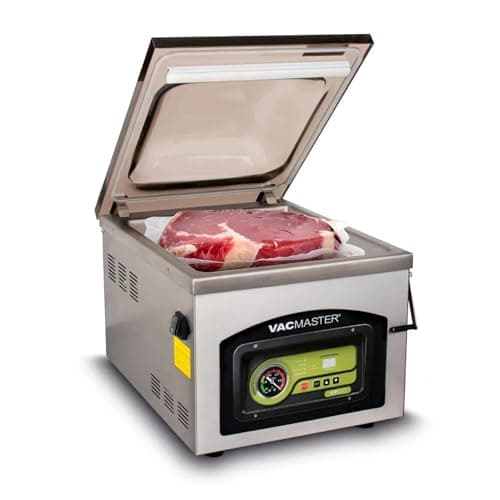
VacMaster VP230: double seals 3 to 7 mil Mylar
See price on AmazonSee it on Amazon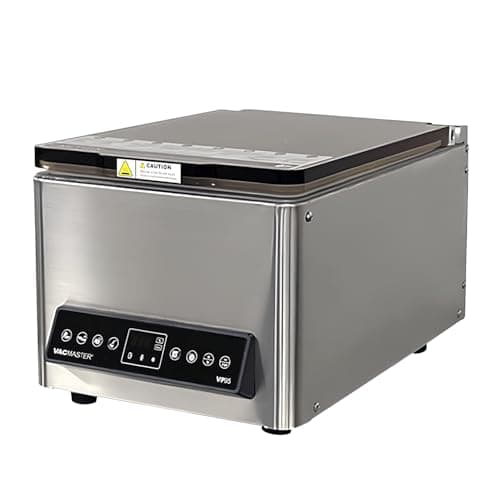
VacMaster VP95: 5 and 7 mil mylar on a compact oil pump
See price on AmazonSee it on Amazon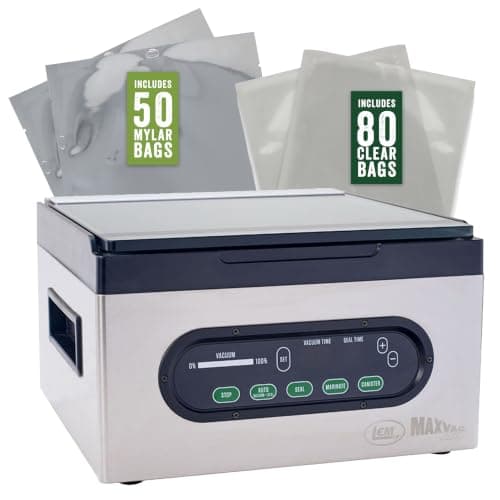
LEM MaxVac Pro: chamber sealer bundled with 50 Mylar bags
See price on AmazonSee it on Amazon
This page is for anyone weighing a home freeze dryer or trying to understand what the machine is doing during a long batch. We walk through the four stages of a cycle in plain terms, name the part that does each job, explain why home units take so long, and cover what freeze drying does not do for food safety. If you already own one and it is acting up, see our Harvest Right troubleshooting guide. If you are still choosing a method, start with food preservation methods compared.
The short version: ice to vapor without melting
Water can exist as solid, liquid or gas, and which one you get depends on both temperature and pressure. At normal air pressure, ice melts into water before it evaporates. If you drop the pressure far enough while keeping the food frozen, ice skips the liquid stage and turns directly into vapor. That jump is called sublimation, and it is the whole trick behind freeze drying.
Because the water leaves as vapor from frozen food, the cell structure does not collapse the way it does when food is dried with heat. That is why freeze dried strawberries keep their shape, why the texture is light and crisp, and why the food soaks water back up so fast. A dehydrator works differently: it blows warm air across food and evaporates liquid water, which shrinks and toughens the food.
- 1FreezeTrays chill well below freezing so the water in the food turns to ice.
- 2Vacuum pullThe pump lowers the chamber pressure until ice can turn straight to vapor.
- 3Primary dryingShelf heaters add gentle heat. Ice sublimates and the vapor freezes onto the cold condenser.
- 4Final dryWarmer shelves drive off the last bound moisture before the batch ends.
Stage 1: the freeze
A home freeze dryer has a refrigeration system much like a small freezer, but it runs much colder. Home units commonly take the chamber well below 0 F, and Harvest Right lists freeze temperatures of roughly -30 F or colder for its machines. Food on the trays has to freeze all the way through before the vacuum starts. If the center is still soft when pressure drops, that liquid can boil and puff or splatter.
The freeze stage usually takes several hours. Thick pieces, dense foods and full trays take longer. Many owners prefreeze trays in a regular freezer to shorten this stage and free up the machine for more batches.
Stage 2: the vacuum pull
Once the food is frozen, the vacuum pump starts pulling air out of the sealed chamber. The door gasket and the drain valve have to be closed tight for this to work, which is why a worn gasket or an open drain valve is one of the first things to check when a machine throws a vacuum error.
Home freeze dryers report chamber pressure in mTorr (thousandths of a torr). The machine watches that number to decide when it can move into drying and when drying is finished. Pumps come in two main types: oil pumps, which need periodic oil changes, and oil free pumps, which cost more but skip that chore. Both do the same job.
- Vacuum pump: lowers chamber pressure so ice can sublimate.
- Door and gasket: seal the chamber; leaks here stop the cycle.
- Drain valve and hose: closed during the run, opened during defrost.
- Vacuum sensor: reads pressure so the controller knows what stage it is in.
Stage 3: primary drying (sublimation)
Sublimation actually needs energy. If the machine only held a vacuum, the food would get colder and drying would crawl. So the shelves under each tray have small heaters that add gentle, controlled heat. The controller cycles those heaters on and off while watching pressure. If too much vapor is coming off at once, pressure rises and the heaters back off so the food stays frozen.
The vapor leaving the food travels to the condenser, the very cold walls of the chamber, where it freezes back into ice. That is why you see a thick layer of frost inside the chamber at the end of a batch. Primary drying removes most of the water and is the longest part of the cycle.
Note.Sugary, fatty and very thick foods dry slowest. Sticky foods can melt or puff if shelf heat is set too high. Follow the maker's guidance for those loads.
Stage 4: final dry and defrost
After most of the ice is gone, some water is still bound inside the food. In the final dry stage the machine raises shelf heat a bit more to drive that off. Many units let you add extra dry time, and adding a few hours is a common habit when a load was dense or the room was warm.
When the cycle ends, you release the vacuum, remove the trays and package the food right away, because dry food pulls moisture from room air fast. Then you defrost the chamber, either by letting the ice melt with the door open or by running the machine's defrost function, and drain the water out through the drain hose.
- 1
Freeze the food solid on the trays.
- 2
Pull a deep vacuum in the sealed chamber.
- 3
Add gentle shelf heat so ice sublimates and refreezes on the condenser.
- 4
Run a final dry to remove bound moisture.
- 5
Package immediately, then defrost and drain the chamber.
Why a batch takes 20 hours or more
Home freeze dryers are slow because sublimation is slow. Vapor has to work its way out of frozen food at a rate the condenser and pump can keep up with, and the controller deliberately limits heat so the food never thaws. Harvest Right describes typical batches in the range of roughly 20 to 40 hours, depending on the food, how full the trays are and the room temperature.
A warm room makes the refrigeration system work harder and can stretch every batch. Thick slices, overfilled trays and high sugar foods all add hours. Cutting food into even pieces and leaving a little space on each tray helps more than anything else. See freeze dryer time chart for typical patterns by food type.
What freeze drying does not do
Freeze drying removes water. It does not cook food and it does not reliably kill bacteria. Raw meat that goes in raw comes out raw and still needs to be cooked to safe internal temperatures after rehydrating. Many owners cook meats before freeze drying for that reason and for convenience.
Shelf life depends on keeping the food dry and away from oxygen and light afterward. Freeze dried food left in an open bowl will soften within hours. Long storage claims you see, such as the maker's up to 25 years, assume the food is fully dry and sealed in mylar with an oxygen absorber. That is a manufacturer claim, not a USDA figure. Our guide on how to store freeze dried food covers packaging, and a sealer for mylar bags makes that step easy.
Note.Freeze drying is not a substitute for safe handling. Start with fresh, safe food, keep raw meat separate, and cook raw meats to USDA safe temperatures before eating.
Frequently asked questions
How cold does a freeze dryer get? Home freeze dryers run far colder than a kitchen freezer. Harvest Right lists freeze temperatures of roughly -30 F or colder, and the condenser stays very cold through the run so vapor freezes onto it.
Does a freeze dryer use a lot of electricity? It runs a compressor, a vacuum pump and shelf heaters for a day or more per batch, so it uses more power than most kitchen appliances. Check the maker's published amperage and plan for the outlet it recommends.
Can I open the door during a cycle? Not while it is under vacuum. Opening it breaks the vacuum and lets moist air in. Most units let you pause or add dry time from the menu instead.
Is freeze dried food the same as dehydrated food? No. Dehydrated food is dried with warm air and shrinks, while freeze dried food keeps its shape and usually holds less moisture. See freeze dryer vs dehydrator.