Explainer
What foods need to be pressure canned?
Published
Short answer
Low acid foods, those with a pH above 4.6, must be pressure canned using a tested recipe. That includes almost all vegetables, beans, meats, poultry, seafood, soups and stocks. High acid foods such as most fruits, jams, jellies, pickles and properly acidified tomatoes can be processed in a boiling water bath. Some foods, like dairy and pureed pumpkin, have no tested home canning process at all.
Gear for this job
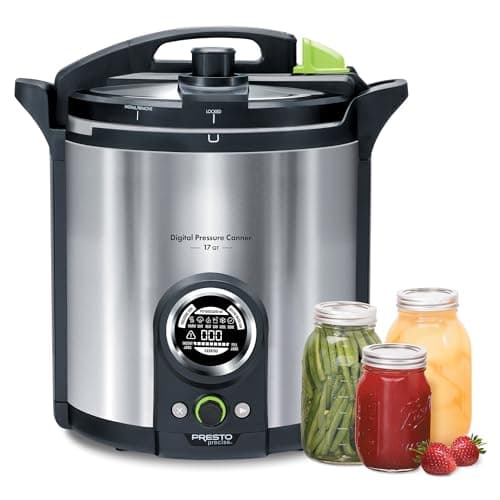
All 7 picks compared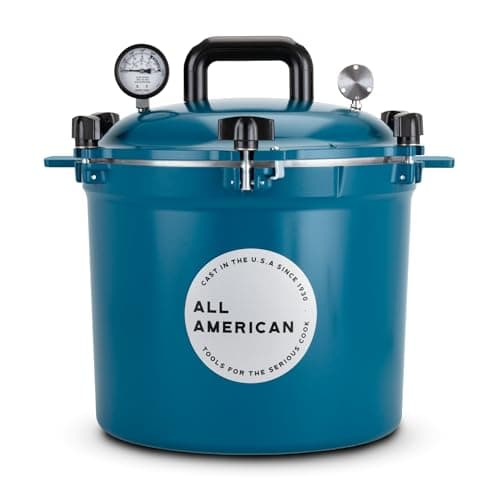
All American 921: 21.5 qt, gasketless metal seal
See price on AmazonSee it on Amazon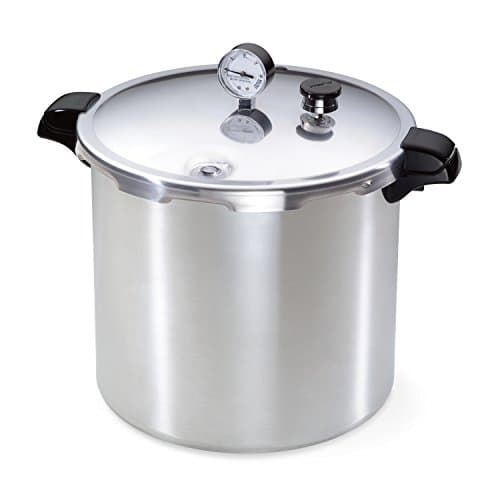
Presto 01781: 23 qt, 7 quarts, dial gauge
See price on AmazonSee it on Amazon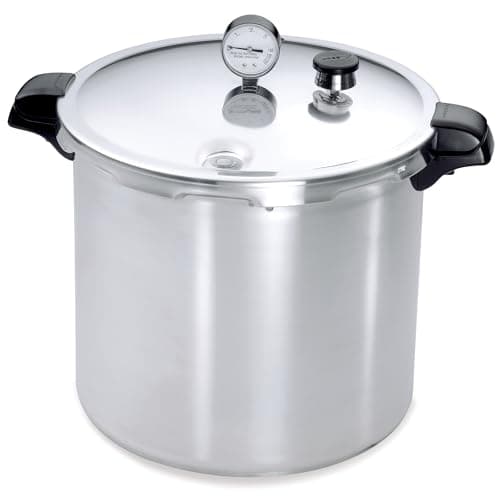
Presto 01784: 23 qt canner that works on induction
See price on AmazonSee it on Amazon
This page is for home canners deciding whether a food needs a pressure canner or can go in a water bath. The rule comes down to acidity and the bacterium Clostridium botulinum, whose spores survive boiling water. We explain the pH line, list common foods on each side, cover tomatoes and other borderline cases, and flag foods with no tested home process. Always pair this with a tested recipe. If you are choosing equipment, see pressure canner vs water bath canner.
Why some foods need pressure
Clostridium botulinum spores are found in soil and on many foods. In a sealed jar with low acid, low oxygen and moisture, the spores can grow and produce botulism toxin, which can be fatal. Boiling water at 212 F does not destroy the spores. A pressure canner reaches higher temperatures, around 240 F at the right pressure, which is what tested processes rely on to destroy them in low acid food.
Acid stops the spores from growing. That is why the dividing line is acidity, measured as pH. Foods at pH 4.6 or below are considered high acid (or acidified), and foods above 4.6 are low acid.
Note.Use only tested recipes from the USDA Complete Guide to Home Canning, the National Center for Home Food Preservation or your canner maker's current manual. Do not guess processing times or pressures. Under-processed low acid food can carry botulism toxin without any sign of spoilage.
Foods that must be pressure canned
These low acid foods require a pressure canner and a tested recipe for the specific food and jar size.
Vegetables
ExamplesGreen beans, corn, carrots, peas, potatoes, beets (unpickled), asparagus
Dry and fresh beans
ExamplesKidney, pinto, black beans, lima beans
Meat and poultry
ExamplesBeef, pork, venison, chicken, turkey
Seafood
ExamplesFish, clams, crab (tested processes only)
Soups and stocks
ExamplesVegetable, meat or bean soups, broth and stock made per tested recipes
Mixed low acid foods
ExamplesChili and stews when a tested recipe exists
| Food group | Examples |
|---|---|
| Vegetables | Green beans, corn, carrots, peas, potatoes, beets (unpickled), asparagus |
| Dry and fresh beans | Kidney, pinto, black beans, lima beans |
| Meat and poultry | Beef, pork, venison, chicken, turkey |
| Seafood | Fish, clams, crab (tested processes only) |
| Soups and stocks | Vegetable, meat or bean soups, broth and stock made per tested recipes |
| Mixed low acid foods | Chili and stews when a tested recipe exists |
Foods a water bath can handle
High acid foods can be processed in a boiling water bath canner, or in an atmospheric steam canner when the recipe allows it, because acid prevents botulinum growth. Processing still destroys molds, yeasts and other spoilage organisms.
Tomatoes sit close to the pH line, so USDA directs you to add bottled lemon juice or citric acid to every jar, whether you water bath or pressure can them. Figs and some Asian pears also need added acid.
- Most fruits and fruit juices
- Jams, jellies and fruit butters (except some low acid ones like pumpkin butter, which should not be canned)
- Pickles and relishes made with tested vinegar ratios
- Salsas made from tested recipes
- Tomatoes with added acid (bottled lemon juice or citric acid) per USDA directions
Foods with no tested home canning process
Some foods should not be home canned at all, in either canner, because no safe tested process exists for home equipment. Freeze or dry these instead.
- Milk, cheese, butter and other dairy
- Pureed or mashed pumpkin and winter squash (cubes have a tested pressure process)
- Foods thickened with flour, cornstarch or roux; add thickener when serving
- Pasta, rice and grains in jars
- Lard and other fats
- Refried beans and other thick purees
- Eggs
Note.Recipes found online that skip these rules, or use oven canning, open kettle or dishwasher methods, are not safe. Use USDA, NCHFP or extension recipes.
Getting pressure canning right
A pressure canner process has two numbers: the pressure, which depends on your altitude and gauge type, and the time, which comes from the tested recipe for that food and jar size. Our USDA altitude pressure tool gives you the pressure. The time always comes from the recipe; it does not change with altitude in the USDA tables, only the pressure does.
Vent the canner for 10 minutes, hold steady pressure for the full time, and let it cool naturally. Have dial gauges tested yearly. See how to use a pressure canner and pressure canner altitude chart.
Choosing a canner
If you plan to can vegetables, beans, meat or stock, you need a true pressure canner, not a pressure cooker. USDA recommends a canner large enough to hold at least four quart jars standing upright. NCHFP does not recommend electric multicookers for pressure canning. See can you pressure can in an Instant Pot and pressure canner vs pressure cooker.
Our best pressure canners guide covers stovetop models, and best electric pressure canners covers units designed for canning. For big batches of quarts, see large pressure canners.
Frequently asked questions
Can I water bath can green beans if I process longer? No. Longer boiling does not reach the temperature needed for low acid food. Green beans must be pressure canned or pickled with a tested recipe.
Do tomatoes need a pressure canner? No, but they need added acid. With bottled lemon juice or citric acid, tomatoes can be water bath or pressure canned using a tested recipe.
Can I pressure can my own soup recipe? Only if it follows a tested soup process. USDA soup guidance limits ingredients and excludes thickeners, dairy, pasta and rice.
Is a steam canner the same as a pressure canner? No. An atmospheric steam canner is only for high acid foods with tested times. Low acid foods still need a pressure canner.