Explainer
What size freeze dryer do I need?
Published
Short answer
Size a freeze dryer by how much fresh food you plan to process per week, not by the biggest batch you can imagine. A small unit suits one or two people and snacks, a medium fits most families, and large or extra large units suit gardeners and bulk buyers. Before ordering, confirm the doorway width, the outlet and circuit the maker requires, a sturdy surface for the weight and a cool room.
Gear for this job
All 6 picks compared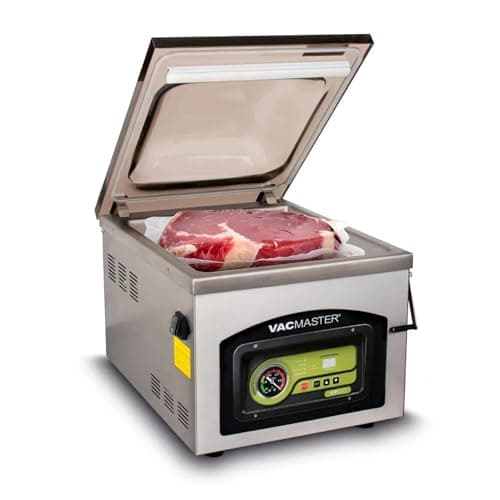
VacMaster VP230: double seals 3 to 7 mil Mylar
See price on AmazonSee it on Amazon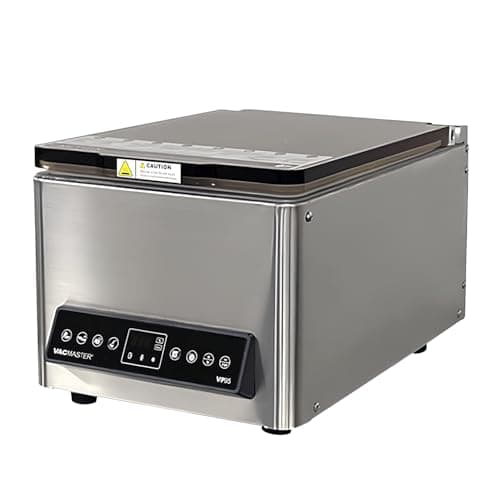
VacMaster VP95: 5 and 7 mil mylar on a compact oil pump
See price on AmazonSee it on Amazon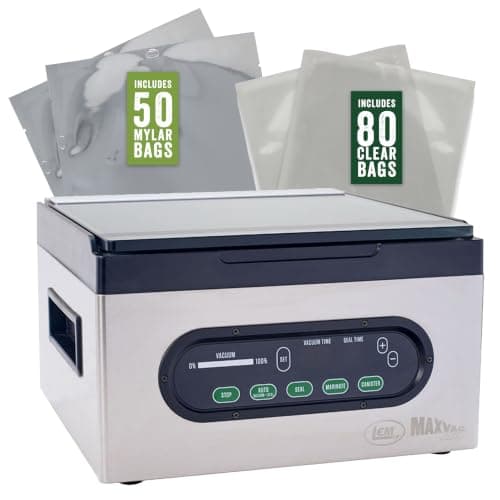
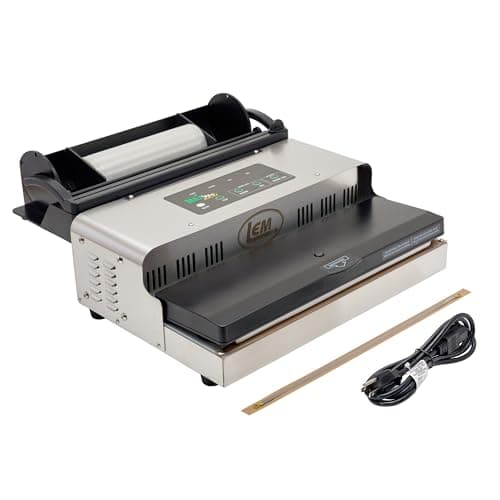
LEM MaxVac Pro: chamber sealer bundled with 50 Mylar bags
See price on AmazonSee it on Amazon
This page is for people deciding between freeze dryer sizes. A freeze dryer is a big purchase and a heavy, loud appliance that will run for a day or more per batch, so the wrong size costs you either capacity or space. We cover how to estimate your volume, how tray area and batch capacity relate, and the four physical checks to do before you buy: doorways, power, floor or counter strength and room temperature. Figures change between model years, so always confirm current specs on the maker's site.
Start with your weekly volume
The most useful number is how many pounds of fresh food you expect to process in a typical week. Batches take roughly a day or more each, plus defrost and cleaning, so a home machine realistically runs a few batches a week. Multiply the per batch capacity by that number to see what each size can handle.
Think about your actual sources of food: garden harvests in peak season, bulk meat purchases, leftovers, or snacks and candy. A garden that produces a lot of food over a few weeks pushes you toward a bigger unit. Occasional leftovers and treats do not.
Small
Typical fit1 to 2 people, snacks, testing the hobby
Power noteStandard household outlet on most models
Medium
Typical fitMost families, steady weekly batches
Power noteStandard outlet; a dedicated circuit is often advised
Large
Typical fitLarge families, gardeners, bulk meat
Power noteMaker typically calls for a dedicated 20 amp circuit
Extra large
Typical fitHomesteads and heavy seasonal harvests
Power noteDedicated circuit; check outlet type before buying
| Size class | Typical fit | Power note |
|---|---|---|
| Small | 1 to 2 people, snacks, testing the hobby | Standard household outlet on most models |
| Medium | Most families, steady weekly batches | Standard outlet; a dedicated circuit is often advised |
| Large | Large families, gardeners, bulk meat | Maker typically calls for a dedicated 20 amp circuit |
| Extra large | Homesteads and heavy seasonal harvests | Dedicated circuit; check outlet type before buying |
Tray area matters more than tray count
Makers list the number of trays and a per batch weight of fresh food. Tray count alone can mislead you, because tray size differs between models. Total tray area tells you more about how much sliced food you can spread out in one layer.
Per batch weight figures assume food loaded at a reasonable depth. Overfilling trays to hit a bigger number slows drying a lot and raises the chance of wet centers. A slightly bigger machine loaded properly usually finishes more food per week than a smaller one stuffed full.
Note.If you plan to dry mostly dense or sugary foods, plan on the lower end of a machine's listed capacity.
Check doorways and where it will live
Freeze dryers are heavy and boxy. Measure every doorway, hall and stair turn on the path to where the machine will run, and compare with the shipping box size as well as the unit itself. Large and extra large units can be a two person lift.
Choose a spot with a solid table, cart or counter rated for the weight, plus room for air to move around the vents. You also need somewhere for the drain hose to empty during defrost, usually a bucket on the floor or a lower shelf.
- Doorway and hallway width on the delivery path
- Surface strong and level enough for the unit's weight
- Clearance on the sides and back for airflow (see the manual)
- A place for the drain bucket below the machine
- Noise tolerance: the vacuum pump is loud, so a garage, pantry or utility room often works better than a kitchen
Power: outlets and circuits
Freeze dryers draw significant current for long periods. Smaller models generally run on a standard 110 to 120 volt household outlet, but the maker often recommends a dedicated circuit so the unit is not sharing power with a microwave or space heater. Larger models typically call for a dedicated 20 amp circuit, and that may need a matching outlet.
Read the maker's electrical requirements before you order. If your chosen room does not have the right circuit, budget for an electrician. Do not run a freeze dryer on a light duty extension cord.
Note.Electrical work should be done by a licensed electrician. A machine that trips breakers mid batch can ruin a load and stress the compressor.
Room temperature changes your real capacity
The refrigeration system works best in a cool room. In a hot garage in summer, batches can run much longer, and some machines struggle to freeze deep enough at all. Check the maker's recommended room temperature range and be honest about where the unit will sit in July.
If your only space is a warm one, a larger unit will not fix the heat problem. You may get more food per week from a smaller unit in a cool basement than a big one in a hot garage. Our explainer on how a freeze dryer works covers why heat slows each stage.
Budget for the extras
The machine is only part of the cost. Plan for mylar bags, oxygen absorbers, a heat sealer, pump oil if your model uses an oil pump, and possibly extra trays. A sealer that closes mylar bags is one of the most useful add ons. For a full picture of running costs, see how much a freeze dryer costs and is a freeze dryer worth it.
If you are on the fence between two sizes, consider how often you will actually run it. Many owners say the machine gets used more than expected once it is set up, but that only holds if it fits the space and power you have. For a model level look, read Harvest Right small vs medium.
Frequently asked questions
Is a small freeze dryer enough for a family? For snacks and occasional leftovers, it can be. For a family that wants to preserve meals or garden produce, a small unit often runs nonstop and still falls behind, so a medium is the usual pick.
Can a freeze dryer run on a regular outlet? Smaller models usually can, though a dedicated circuit is often recommended. Larger models typically need a dedicated 20 amp circuit. Check the maker's requirements for your model.
Where is the best place to put a freeze dryer? A cool, ventilated room with a sturdy surface, a nearby correct outlet, room for the drain bucket and somewhere the pump noise will not bother you.
Does a bigger freeze dryer take longer per batch? Not necessarily. Batch time depends more on food type, thickness, tray loading and room temperature than on machine size.