Comparison
Vacuum sealed bags vs mylar with oxygen absorbers
Published
Short answer
Standard vacuum bags are clear plastic that removes air at sealing but lets light through and slowly passes oxygen, so they suit the freezer and short to medium pantry storage. Mylar with an oxygen absorber blocks light and oxygen far better, so it is the usual choice for long term storage of very dry foods like freeze dried meals, rice and beans. For the freezer, vacuum bags win; for the long term pantry, mylar wins.
LEM
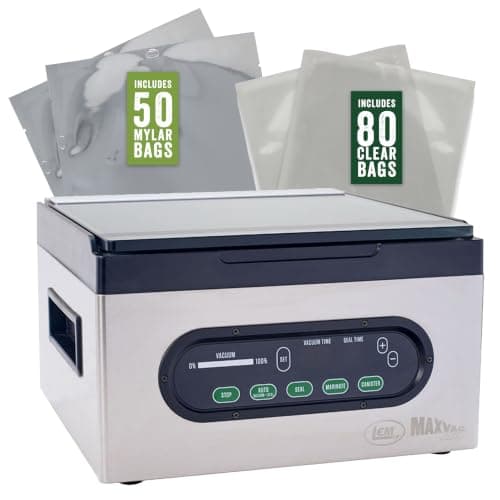
LEM MaxVac Pro: chamber sealer bundled with 50 Mylar bags
See price on Amazon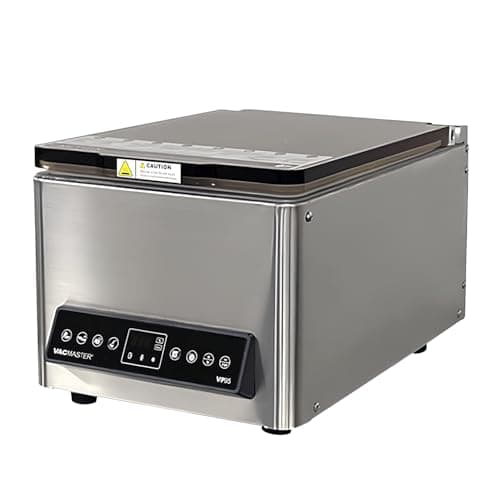
Vacmaster
VacMaster VP95: 5 and 7 mil mylar on a compact oil pump
See price on Amazon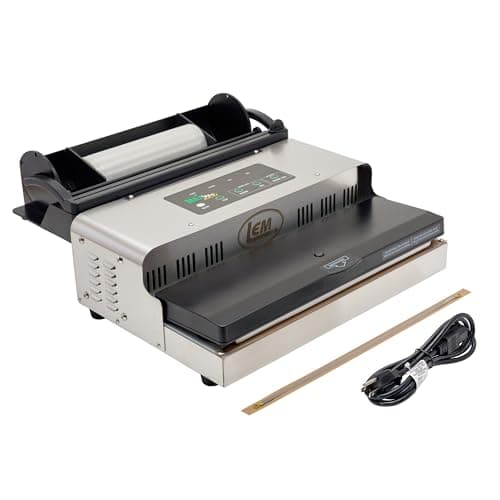
LEM
LEM MaxVac 1000: rated for 1000 continuous seals
See price on Amazon
- LEM MaxVac Pro: chamber sealer bundled with 50 Mylar bags
- Seal bar
- 11.42 in, dual 2.5 mm seals
- Pump/Power
- Maintenance-free pump
- Mylar per listing
- Compatible with Mylar, 50 bags included
- Size
- Not stated
- VacMaster VP95: 5 and 7 mil mylar on a compact oil pump
- Seal bar
- 9.25 in, double seal
- Pump/Power
- 1/5 HP oil pump
- Mylar per listing
- 5 mil and 7 mil mylar
- Size
- 11 x 16 x 9 in, 42.5 lbs
- LEM MaxVac 1000: rated for 1000 continuous seals
- Seal bar
- 14 in, 5 mm wide seal
- Pump/Power
- 24Hg vacuum, cooling fan
- Mylar per listing
- -
- Size
- -
| Pick | Seal bar | Pump/Power | Mylar per listing | Size | Price | Link |
|---|---|---|---|---|---|---|
| LEM MaxVac Pro: chamber sealer bundled with 50 Mylar bags | 11.42 in, dual 2.5 mm seals | Maintenance-free pump | Compatible with Mylar, 50 bags included | Not stated | - | Amazon |
| VacMaster VP95: 5 and 7 mil mylar on a compact oil pump | 9.25 in, double seal | 1/5 HP oil pump | 5 mil and 7 mil mylar | 11 x 16 x 9 in, 42.5 lbs | - | Amazon |
| LEM MaxVac 1000: rated for 1000 continuous seals | 14 in, 5 mm wide seal | 24Hg vacuum, cooling fan | - | - | - | Amazon |
Facts are taken from each Amazon listing. Prices are checked daily and shown with their date.
Verdict
Use vacuum bags for anything going in the fridge or freezer, and mylar with oxygen absorbers for long term pantry storage of very dry foods. If you want one machine for both, a chamber sealer whose listing names mylar, such as the LEM MaxVac Pro mylar bundle or the VacMaster VP95, handles each job.
This page is for anyone packaging freeze dried food, dry staples or garden harvests and deciding between plastic vacuum bags and mylar pouches with oxygen absorbers. It compares the oxygen and light barrier, puncture risk with sharp foods, what each needs from your sealer, and the food safety limits that apply to both. Sealer specs come only from Amazon listings. Storage times on this site are labeled by source, and any very long shelf life figure for freeze dried food is a maker claim, not a USDA number.
How each method removes oxygen
A vacuum sealer pulls air out of the bag and heat seals it. Most of the oxygen goes with the air at the moment of sealing. Standard vacuum bags are made of layered plastics such as polyethylene and nylon. They are clear, flexible and good in the freezer, but plastic film is not a perfect oxygen barrier, so a small amount of oxygen can work its way back in over months.
Mylar bags are metallized or foil laminate pouches. You fill the bag, add an oxygen absorber sized to the bag and contents, and heat seal it. The absorber, usually iron powder in a sachet, binds the oxygen left in the bag, and the metal layer keeps new oxygen and light out. The bag often pulls in snugly over a day or two as the oxygen is used up. See the oxygen absorber size chart for sizing.
Side by side
Many people combine the two: vacuum seal small portions, then put several in a mylar bag with an absorber for the pantry. That protects against punctures and light at the same time.
- Frozen at 0 FSafe indefinitely; best quality 1 to 12 months by foodUSDA FSIS
- Vacuum sealedSame freezer times, less freezer burnUSDA FSIS
- Home cannedBest quality within 1 year, cool and darkNCHFP
- Home driedFruit about 1 year at 60 F, 6 months at 80 FNCHFP
- Freeze driedUp to 25 years in mylar with an oxygen absorberMaker claim
Oxygen barrier
Vacuum sealed plastic bagsGood at sealing, slowly permeable over time
Mylar with oxygen absorberVery low oxygen transfer through the foil layer
Light barrier
Vacuum sealed plastic bagsNone, clear film
Mylar with oxygen absorberBlocks light
Puncture risk
Vacuum sealed plastic bagsHigher; vacuum pulls film tight on sharp edges
Mylar with oxygen absorberLower; bag is not crushed tight, thicker film
Can you see the food
Vacuum sealed plastic bagsYes
Mylar with oxygen absorberNo, label everything
Freezer use
Vacuum sealed plastic bagsExcellent, the standard choice
Mylar with oxygen absorberPossible but not needed
Best foods
Vacuum sealed plastic bagsRaw meat, fish, cheese, cooked portions for fridge or freezer
Mylar with oxygen absorberVery dry foods: freeze dried meals, rice, beans, flour, dried fruit
Sealer needed
Vacuum sealed plastic bagsEdge sealer with textured bags, or chamber sealer with smooth bags
Mylar with oxygen absorberHeat sealer, iron, or a sealer rated for mylar thickness
| Factor | Vacuum sealed plastic bags | Mylar with oxygen absorber |
|---|---|---|
| Oxygen barrier | Good at sealing, slowly permeable over time | Very low oxygen transfer through the foil layer |
| Light barrier | None, clear film | Blocks light |
| Puncture risk | Higher; vacuum pulls film tight on sharp edges | Lower; bag is not crushed tight, thicker film |
| Can you see the food | Yes | No, label everything |
| Freezer use | Excellent, the standard choice | Possible but not needed |
| Best foods | Raw meat, fish, cheese, cooked portions for fridge or freezer | Very dry foods: freeze dried meals, rice, beans, flour, dried fruit |
| Sealer needed | Edge sealer with textured bags, or chamber sealer with smooth bags | Heat sealer, iron, or a sealer rated for mylar thickness |
Puncture risk with freeze dried and dry foods
Freeze dried food is light and brittle with sharp corners, and dry pasta, rice and jerky edges can poke through film. A vacuum sealer pulls plastic tight around those edges, which is when pinholes happen. Once a vacuum bag has a pinhole, it slowly fills with air and moisture, and freeze dried food reabsorbs water. Freeze dried food also gets crushed into powder by a hard vacuum.
Mylar with an absorber avoids the hard squeeze. If you do vacuum seal freeze dried food, use a gentle or pulse setting, wrap sharp items in paper first, or cushion them. Our how to store freeze dried food page walks through packaging, and how long freeze dried food lasts covers the claims.
Sealers for each method, from the listings
Mylar is smooth, so an edge sealer cannot pull a vacuum through it; you seal it with heat only or use a chamber sealer. These listings state what each model handles.
LEM MaxVac Pro (mylar bundle)
TypeChamber
Seal bar (listed)11.42 in, dual 2.5 mm seals
Mylar (per listing)Compatible; includes 50 mylar and 80 chamber bags
Other listed detailsVacuum 15 to 60 sec, seal 3 to 9 sec; maintenance free pump; canister port
VacMaster VP95
TypeChamber
Seal bar (listed)9.25 in
Mylar (per listing)Double seals 5 and 7 mil mylar
Other listed details1/5 HP oil pump; chamber 9.5 x 10.5 x 3.25 in; max bag 9 x 12 in
LEM MaxVac 1000
TypeEdge
Seal bar (listed)14 in, 5 mm wide seal
Mylar (per listing)Not stated
Other listed details24Hg vacuum; cooling fan; manual vacuum and manual seal controls
| Model | Type | Seal bar (listed) | Mylar (per listing) | Other listed details |
|---|---|---|---|---|
| LEM MaxVac Pro (mylar bundle) | Chamber | 11.42 in, dual 2.5 mm seals | Compatible; includes 50 mylar and 80 chamber bags | Vacuum 15 to 60 sec, seal 3 to 9 sec; maintenance free pump; canister port |
| VacMaster VP95 | Chamber | 9.25 in | Double seals 5 and 7 mil mylar | 1/5 HP oil pump; chamber 9.5 x 10.5 x 3.25 in; max bag 9 x 12 in |
| LEM MaxVac 1000 | Edge | 14 in, 5 mm wide seal | Not stated | 24Hg vacuum; cooling fan; manual vacuum and manual seal controls |
Note.A wide seal bar with a manual seal button can heat seal mylar on many edge sealers, but the LEM MaxVac 1000 listing does not mention mylar. Test on a scrap bag and check the seal for wrinkles.
Food safety limits for both methods
Low oxygen packaging at room temperature is only safe for dry foods. Moist foods sealed without oxygen and kept warm can allow Clostridium botulinum to grow. Only put fully dry, shelf stable foods into mylar with absorbers for the pantry: freeze dried food that is crisp all the way through, dry grains, dry beans and properly dried fruit. If freeze dried food is chewy or sticky, it is not dry; see freeze dried food not dry.
Vacuum sealed raw meat, fish, cheese and cooked leftovers are not shelf stable either. USDA FSIS guidance is that they still need the fridge at 40 F or below or the freezer at 0 F. Vacuum sealing protects quality and helps prevent freezer burn; it does not replace cold storage. Check published times with the storage life table and our page on vacuum sealed meat.
Note.Never seal garlic or herbs in oil, fresh mushrooms or cooked soups in low oxygen packaging at room temperature.
Which pairing to use
For the full picture of preservation methods, see food preservation methods compared and the storage and shelf life stage.
- Freezer meat, fish and meal portions: vacuum sealed plastic bags.
- Freeze dried meals for long pantry storage: mylar with an oxygen absorber, sealed with heat or a mylar rated chamber sealer.
- Rice, beans, flour and other dry staples: mylar with an absorber, often inside a bucket for rodent and puncture protection.
- Snacks you will eat within weeks: vacuum bags or jars are fine, kept cool and dark.
- Dehydrated fruit and jerky: dry fully first, then store cool and dark; see what can you dehydrate.
Frequently asked questions
Can I vacuum seal a mylar bag? With a chamber sealer, yes, if the machine is rated for the bag thickness; the VacMaster VP95 listing names 5 and 7 mil mylar. An edge sealer cannot pull air through smooth mylar, but many can heat seal it.
Do I need oxygen absorbers in vacuum bags? Usually not for the freezer. For pantry storage of dry food, mylar with an absorber is the better barrier.
How long does food last in mylar? It depends on the food and storage temperature. Harvest Right states up to 25 years for freeze dried food in mylar with an absorber, but that is a maker claim, not a USDA figure.
Why did my mylar bag not suck in? The absorber may be undersized, already used up from air exposure, or the seal may leak. Check the seal and use a fresh absorber.