How-to
How to store freeze dried food
Published
Short answer
Package freeze dried food as soon as the batch ends, because it pulls moisture from the air quickly. For long storage, seal it in thick mylar bags with a correctly sized oxygen absorber and keep the bags in a cool, dark, dry place, ideally inside a bucket to protect against pests and punctures. For food you will eat within weeks, glass jars with tight lids or vacuum sealed jars work well.
Gear for this job
All 6 picks compared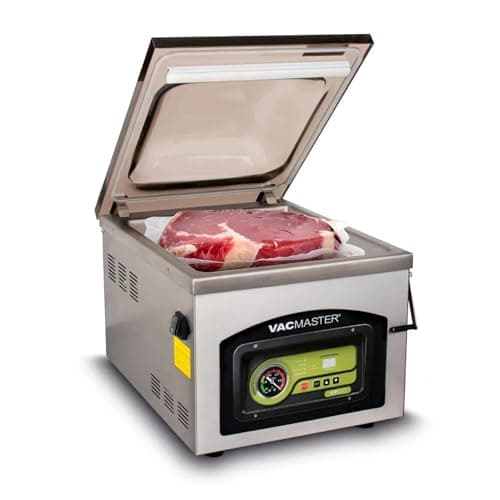
VacMaster VP230: double seals 3 to 7 mil Mylar
See price on AmazonSee it on Amazon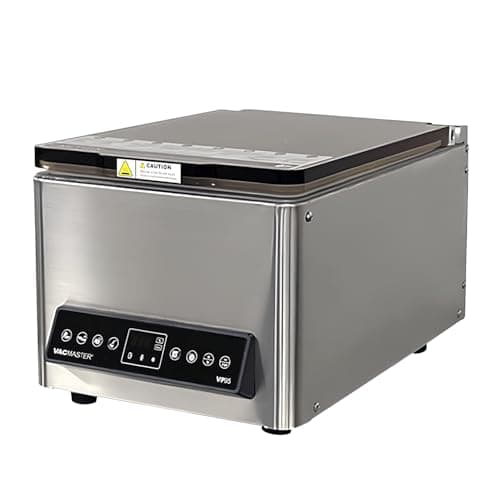
VacMaster VP95: 5 and 7 mil mylar on a compact oil pump
See price on AmazonSee it on Amazon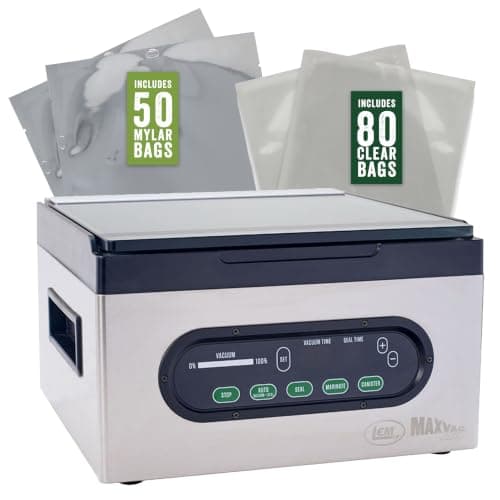
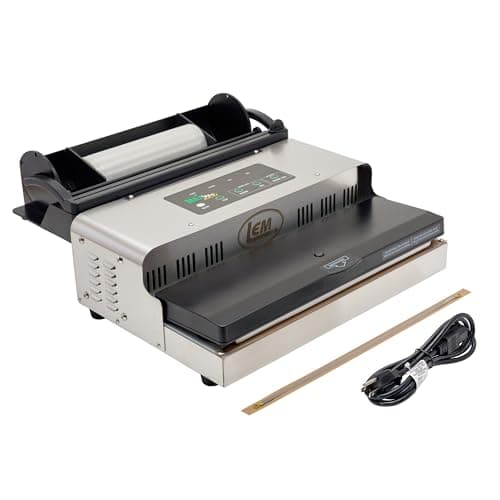
LEM MaxVac Pro: chamber sealer bundled with 50 Mylar bags
See price on AmazonSee it on Amazon
This page is for freeze dryer owners deciding how to package each batch. We cover the three main storage options (mylar bags, glass jars and buckets), how oxygen absorbers work and how to use them, how to seal mylar properly, labeling, and where to store the finished packages. Long shelf life claims only hold if food is fully dry and packaged well, so the details here matter. For sealing gear, see how to vacuum seal mylar bags.
Package right away
Freeze dried food is very dry and absorbs water from room air fast. Left on the counter, crisp food can turn chewy within hours, especially in humid weather. Have bags, absorbers and your sealer ready before the batch ends, and package as soon as you confirm the food is dry.
Check dryness first. Break a few of the thickest pieces. They should be crisp all the way through and should not feel cool. A cool center often means ice is still inside. If anything seems soft, put the trays back and add dry time. See freeze dried food not dry.
Choose a container
Each container has a job. Many owners use more than one: mylar for the long term pantry, jars for the food they are eating now.
- Frozen at 0 FSafe indefinitely; best quality 1 to 12 months by foodUSDA FSIS
- Vacuum sealedSame freezer times, less freezer burnUSDA FSIS
- Home cannedBest quality within 1 year, cool and darkNCHFP
- Home driedFruit about 1 year at 60 F, 6 months at 80 FNCHFP
- Freeze driedUp to 25 years in mylar with an oxygen absorberMaker claim
Mylar bags (thick, foil lined)
Best forLong term storage; blocks light, oxygen and moisture
Watch out forNeeds a heat sealer; can be punctured by sharp food or pests
Glass jars with lids
Best forShort to medium term, pantry food you open often
Watch out forLight gets in; store in a dark cupboard; lids must seal tight
Vacuum sealer bags
Best forShort term or freezer storage
Watch out forPlastic lets some oxygen through over time; sharp pieces can puncture
Food grade buckets
Best forAn outer layer that protects mylar bags
Watch out forNot airtight enough on their own for long term storage
| Container | Best for | Watch out for |
|---|---|---|
| Mylar bags (thick, foil lined) | Long term storage; blocks light, oxygen and moisture | Needs a heat sealer; can be punctured by sharp food or pests |
| Glass jars with lids | Short to medium term, pantry food you open often | Light gets in; store in a dark cupboard; lids must seal tight |
| Vacuum sealer bags | Short term or freezer storage | Plastic lets some oxygen through over time; sharp pieces can puncture |
| Food grade buckets | An outer layer that protects mylar bags | Not airtight enough on their own for long term storage |
How oxygen absorbers work
An oxygen absorber is a small packet of iron powder. The iron reacts with oxygen in the sealed container and binds it, leaving mostly nitrogen. Lower oxygen slows rancidity in fats, protects color and flavor, and keeps insects from surviving.
Absorbers start working as soon as you open their package. Take out only what you need for the next few minutes, and reseal the rest in a small jar or a vacuum sealed bag right away. Size them to the container volume, not the weight of the food. Our oxygen absorber size chart gives typical sizes by bag.
Note.Oxygen absorbers are only for dry foods. Moist foods sealed with absorbers create a low oxygen environment where Clostridium botulinum can grow. Freeze dried food must be fully dry before you add an absorber.
How to seal a mylar bag
Mylar is sealed with heat, not with a zipper. The zip tops on many bags are only for convenience after opening.
- 1
Fill the bag, leaving a few inches of empty space at the top so you can seal it cleanly.
- 2
Wipe any food dust off the inside of the bag mouth. Crumbs in the seal area cause leaks.
- 3
Drop in the oxygen absorber last, just before sealing.
- 4
Press out excess air by hand without crushing the food.
- 5
Seal across the top with an impulse sealer, a chamber sealer or a clothes iron on a firm surface.
- 6
Check the seal for wrinkles, gaps or a weak spot. Reseal above it if needed.
- 7
Label the bag, then check after a day or so; the bag often pulls in as the absorber works.
Labeling and storage location
Write the food, the date it was packaged and any prep notes (for example, raw meat that still needs cooking) on every bag. A permanent marker on the bag or a label works fine.
Store packages in a cool, dark, dry place. Heat speeds quality loss, and light damages flavor and color, which is why mylar outperforms clear jars over long periods. A basement shelf or interior closet is better than a garage or attic. Putting mylar bags inside a lidded bucket or bin adds protection from rodents and punctures.
- Cool: the cooler the better, and avoid big temperature swings
- Dark: mylar blocks light; keep jars in a cupboard
- Dry: avoid damp basements without a dehumidifier
- Protected: buckets or bins guard against pests and sharp corners
How long it lasts
Harvest Right states that freeze dried food sealed in mylar with an oxygen absorber can last up to 25 years. That is a manufacturer claim, not a USDA figure, and real life depends on the food, how dry it was and how it was stored. Fatty foods tend to go stale or rancid sooner. See how long freeze dried food lasts and our storage life table.
Once opened, treat the food like any dry pantry item. Reseal with the zipper and a fresh absorber, or move it to a jar. Rehydrated food is perishable and needs refrigeration like fresh food. A sealer that handles mylar bags makes resealing quick.
Frequently asked questions
Do I need oxygen absorbers if I vacuum seal? A vacuum sealer removes most air, but plastic vacuum bags let some oxygen through over time. For long term storage in mylar, an oxygen absorber is the standard approach. See vacuum sealing vs mylar bags.
Can I store freeze dried food in mason jars? Yes, for short to medium term use. Use tight lids, add an absorber for longer storage and keep jars in a dark cupboard.
What thickness mylar bag should I use? Thicker bags resist punctures better. Many home users choose bags in the 5 to 7 mil range for freeze dried food, especially for sharp foods like pasta or meat.
Why did my mylar bag not suck in? Freeze dried food has lots of air space, and the absorber only removes the oxygen part of the air, so the bag may not pull in tightly. Check the seal, and confirm the absorber was fresh.