Fix
Dehydrated fruit still sticky or soft
Published
Short answer
Dehydrated fruit stays sticky because it is high in sugar, it is not dry yet, or the outside dried too fast and sealed moisture inside (case hardening). Humid air also makes dried fruit tacky again. Slice thinner, dry at the temperature your dehydrator maker or NCHFP recommends for fruit, test cooled pieces for pockets of moisture, and condition the fruit for about a week before long storage.
Gear for this job
All 7 picks compared
Magic Mill DualZone: 16 trays in two chambers
See price on AmazonSee it on Amazon
LEM BigBite 16-Tray: 19 sq ft, 1200 watts
See price on AmazonSee it on Amazon
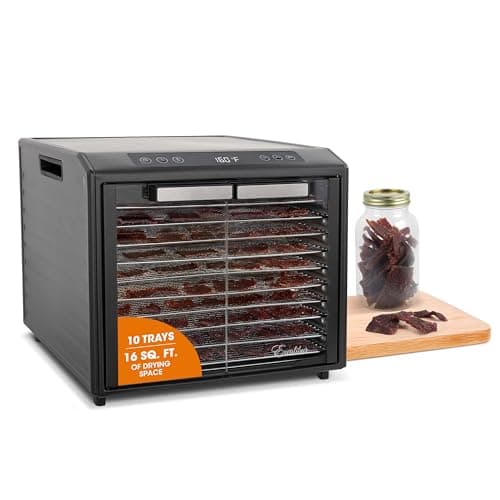
Cosori 10-Tray: 16.2 sq ft of stainless trays
See price on AmazonSee it on Amazon
Some sticky fruit is normal. Properly dried fruit is meant to be leathery and pliable, not crisp, and sugary fruits like mango, pineapple, figs and dates stay tacky even when dry. The question is whether the stickiness means trapped moisture that will mold in storage. This page explains the usual causes, how to tell sticky but dry from underdried, how to fix a batch, and how to condition fruit before storing it, following National Center for Home Food Preservation (NCHFP) and Extension guidance.
Sticky but dry vs underdried
Dried fruit should be leathery and pliable, with no pockets of moisture when you tear a piece in half and squeeze it. A thin film of sugar on the surface can feel tacky, especially on warm fruit, but the inside should not look wet or gel like. Let a piece cool to room temperature before you judge it, because warm fruit always feels softer and stickier than it will once cool.
Underdried fruit feels soft and damp, sticks together in clumps, and shows wet spots when torn. It needs more time. Dried fruit with too much moisture can mold in storage.
Common causes and fixes
High sugar fruit
What you seeMango, pineapple, figs, dates stay tacky
FixNormal when dry; check for moisture pockets and dust lightly if desired
Not dry yet
What you seeSoft, damp centers, clumping
FixAdd more drying time and retest when cool
Slices too thick or uneven
What you seeThick pieces soft, thin ones dry
FixSlice thinner and evenly; remove pieces as they finish
Case hardening
What you seeHard dry skin, soft wet inside
FixLower the temperature; slice thinner
Humid room
What you seeFruit dries slowly and turns tacky after drying
FixDry in a cooler, drier room; package promptly
Overloaded trays
What you seeSlow, uneven drying
FixSingle layer with space between pieces
Skins left on
What you seeGrapes, cherries, blueberries dry slowly
FixCheck dip or pierce skins following a tested method
Syrup or sugar pretreatment
What you seeCandied, sticky surface
FixExpected with syrup blanching; rinse or skip if not wanted
| Cause | What you see | Fix |
|---|---|---|
| High sugar fruit | Mango, pineapple, figs, dates stay tacky | Normal when dry; check for moisture pockets and dust lightly if desired |
| Not dry yet | Soft, damp centers, clumping | Add more drying time and retest when cool |
| Slices too thick or uneven | Thick pieces soft, thin ones dry | Slice thinner and evenly; remove pieces as they finish |
| Case hardening | Hard dry skin, soft wet inside | Lower the temperature; slice thinner |
| Humid room | Fruit dries slowly and turns tacky after drying | Dry in a cooler, drier room; package promptly |
| Overloaded trays | Slow, uneven drying | Single layer with space between pieces |
| Skins left on | Grapes, cherries, blueberries dry slowly | Check dip or pierce skins following a tested method |
| Syrup or sugar pretreatment | Candied, sticky surface | Expected with syrup blanching; rinse or skip if not wanted |
Case hardening: dry outside, wet inside
Case hardening happens when the surface dries so fast that it forms a hard skin, which slows moisture from moving out of the center. The fruit feels done on the outside but stays soft or wet inside, and it may spoil in storage.
The usual cause is drying at too high a temperature, especially early on. NCHFP generally recommends about 140 F for drying fruit in a dehydrator; check your dehydrator maker's guide and the food dehydrator temperature chart. Thinner, even slices and good airflow also help the center keep pace with the surface.
How to fix a sticky batch
If drying is uneven across trays, see dehydrator drying unevenly.
- 1
Let a few pieces cool, then tear and squeeze them to check for moisture.
- 2
Return underdried pieces to the dehydrator in a single layer.
- 3
Dry at the recommended fruit temperature rather than turning the heat up.
- 4
Rotate trays if your dehydrator dries unevenly.
- 5
Retest cooled pieces every so often and remove them as they finish.
- 6
Condition the batch before long term storage.
Conditioning fruit before storage
Even in one batch, some pieces end up drier than others. Conditioning spreads the remaining moisture evenly and shows whether the batch is truly dry. NCHFP and many Extension services describe it this way.
- 1
Let fruit cool completely.
- 2
Pack it loosely in glass jars or plastic containers, filling them about two thirds full.
- 3
Seal the containers and leave them in a warm, dry place.
- 4
Shake the containers daily for about 7 to 10 days to separate pieces.
- 5
Watch for condensation inside the container. If any appears, return the fruit to the dehydrator for more drying, then condition again.
- 6
Once no moisture appears, package for storage.
Note.If you see mold at any point, discard the whole container. Do not cut off moldy parts of dried fruit.
Storing dried fruit so it stays dry
Store conditioned fruit in airtight containers in a cool, dry, dark place. Glass jars, vacuum sealed bags and mylar bags all work. Small packages are better than one large one, because each time you open a container, humid air gets in. Many Extension sources suggest dried fruit keeps best quality for several months to a year depending on storage temperature; cooler storage keeps it better.
Vacuum sealing dried fruit limits air and moisture. Soft, sticky pieces can compress into a block, so freeze them briefly or use a gentle vacuum setting. See how to use a vacuum sealer.
Frequently asked questions
Is sticky dried fruit safe to eat? If it is dry inside, conditioned without condensation and stored airtight, tacky sugar on the surface is normal. If there are moist pockets or mold, it is not finished or is spoiled.
Why is my dried mango so sticky? Mango is very high in sugar and stays pliable and tacky even when properly dried. Check that the inside has no wet pockets.
Should I raise the temperature to dry fruit faster? No. Too much heat causes case hardening, leaving a wet center under a dry skin. Use the recommended fruit temperature.
How do I know dried fruit is done? Cool a piece, tear it and squeeze it. It should be leathery and pliable with no moisture beads.