Fix
Freeze dried food still wet or chewy in the middle
Published
Short answer
Freeze dried food that is wet or chewy in the middle almost always needs more drying. The usual causes are overloaded trays, pieces that are too thick, a cycle that ended early, or high sugar and fat foods that dry slowly. Put the food back in, add extra dry time, and only package it when every piece is crisp, room temperature and free of cold spots.
Gear for this job
All 6 picks compared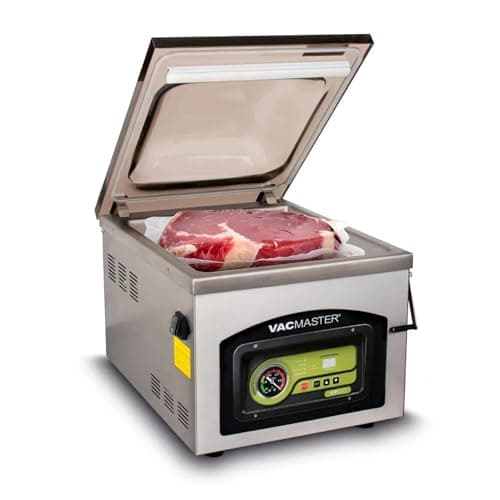
VacMaster VP230: double seals 3 to 7 mil Mylar
See price on AmazonSee it on Amazon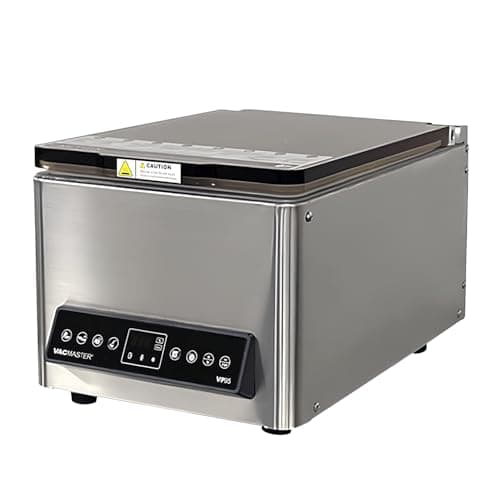
VacMaster VP95: 5 and 7 mil mylar on a compact oil pump
See price on AmazonSee it on Amazon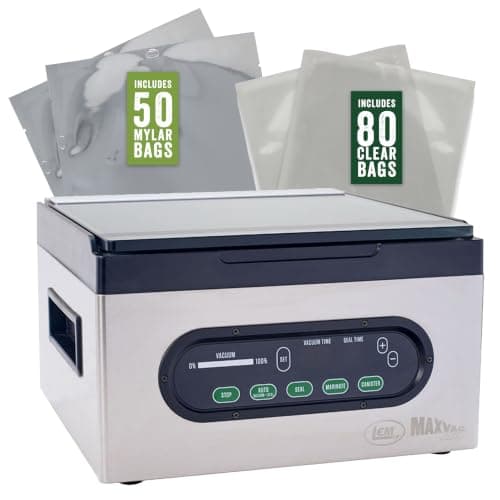
LEM MaxVac Pro: chamber sealer bundled with 50 Mylar bags
See price on AmazonSee it on Amazon
Opening the freeze dryer to find chewy centers or soft spots is common, especially in the first few batches. The good news is that underdried food can usually go straight back in for more time, as long as it has not been sitting out warm. This page is for home freeze dryer owners, including Harvest Right users, and covers the common causes in order of likelihood, how to test for dryness before you bag anything, and what to do with food that was packed before it was fully dry.
Why it matters: moisture shortens storage life
The point of freeze drying is to remove nearly all the water so food stays shelf stable. Food packed with moisture left inside can soften, clump, grow mold or spoil, and it will not keep anywhere near as long as properly dried food. Freeze drying does not sterilize food, so leftover moisture gives spoilage organisms a place to grow.
If you find a damp batch before packaging, it is a simple fix. If you find it after sealing, open the bags and act quickly, as covered below.
- 1FreezeTrays chill well below freezing so the water in the food turns to ice.
- 2Vacuum pullThe pump lowers the chamber pressure until ice can turn straight to vapor.
- 3Primary dryingShelf heaters add gentle heat. Ice sublimates and the vapor freezes onto the cold condenser.
- 4Final dryWarmer shelves drive off the last bound moisture before the batch ends.
Common causes, most likely first
Work down this table. Most wet batches trace back to the first two rows.
Trays overloaded
What you seeWet centers in the middle of the tray, dry edges
FixLoad less weight per tray and spread food evenly
Pieces too thick
What you seeChewy cores in thick chunks, thin pieces fine
FixCut food smaller and thinner, mash or spread purees thinly
Dry time too short
What you seeMost pieces slightly soft or cold
FixAdd extra dry time and recheck
High sugar or fat food
What you seeFruit or rich dishes stay tacky
FixUse thinner layers and longer dry time; very fatty foods dry poorly
Food not fully frozen
What you seePuffed or foamy spots, soft areas
FixPrefreeze or let the freeze stage run fully
Warm room
What you seeLong cycles, poor results
FixKeep the room within the temperature range in your manual
Vacuum or pump issue
What you seeCycle stalls, vacuum errors
FixCheck door gasket, drain valve, pump oil; see troubleshooting
| Cause | What you see | Fix |
|---|---|---|
| Trays overloaded | Wet centers in the middle of the tray, dry edges | Load less weight per tray and spread food evenly |
| Pieces too thick | Chewy cores in thick chunks, thin pieces fine | Cut food smaller and thinner, mash or spread purees thinly |
| Dry time too short | Most pieces slightly soft or cold | Add extra dry time and recheck |
| High sugar or fat food | Fruit or rich dishes stay tacky | Use thinner layers and longer dry time; very fatty foods dry poorly |
| Food not fully frozen | Puffed or foamy spots, soft areas | Prefreeze or let the freeze stage run fully |
| Warm room | Long cycles, poor results | Keep the room within the temperature range in your manual |
| Vacuum or pump issue | Cycle stalls, vacuum errors | Check door gasket, drain valve, pump oil; see troubleshooting |
How to test dryness before bagging
Do not rely on the cycle ending as proof of dryness. Check several pieces from different trays, especially the thickest pieces and the center of each tray.
- 1
Let the food reach room temperature. Cold food can feel dry while still holding ice.
- 2
Pick the thickest pieces and break them open. The inside should be the same color and texture as the outside, with no darker damp core.
- 3
Hold a piece in your hand or against your cheek. A cold spot means ice is still inside.
- 4
Squeeze fruit and vegetables. They should snap or crumble, not bend.
- 5
For meals and purees, press the center of the slab. It should be firm and crisp all the way through.
- 6
If anything fails, put the trays back and add extra dry time. Recheck the same way.
Note.Harvest Right and other makers include an extra dry time option for this reason. Adding a few hours is normal for thick or sugary loads.
Loading habits that prevent wet batches
Follow the maker's guidance on how much food each tray can hold, and treat it as a ceiling rather than a target for dense foods. Spread food in an even layer no thicker than the manual suggests, and leave gaps so vapor can escape. Slice meat and fruit thinly, cut vegetables into small even pieces, and break up large clumps of rice or pasta.
Prefreezing trays in a freezer can shorten the cycle and helps keep purees from foaming. If you prefreeze, move trays into the machine quickly so they do not start to thaw. For a rough idea of how long different foods take, see the freeze dryer time chart.
When the machine itself is the problem
If several careful batches still come out wet, the issue may be mechanical. Weak vacuum lets water move slowly, and a condenser that cannot get cold enough will not trap vapor well. Check that the door gasket is clean and seated, the drain valve is fully closed, and the pump oil is clean and at the right level if you have an oil pump. A room that is too warm or poorly ventilated also slows every cycle.
Our Harvest Right troubleshooting page covers vacuum and error messages, and freeze dryer vacuum pump oil covers oil care.
What to do if you already bagged wet food
If you notice clumping, softness or condensation inside a bag soon after packing, open it and return the food to the freeze dryer for more drying, provided it has been kept cool and shows no signs of spoilage. If food smells off, shows mold, or has been sitting damp at room temperature, throw it out. Do not taste food to check it.
Once it is dry, package it in moisture proof mylar bags with an oxygen absorber or in airtight jars. A good sealer makes airtight bags easier; see how to store freeze dried food.
Frequently asked questions
Can I put freeze dried food back in if it is not dry? Yes. Return it to the trays and run extra dry time, as long as it has stayed cool and clean since the cycle ended.
Why is fruit always tacky? Sugary fruit holds water tightly and dries slowly. Slice it thinner, spread it in a single layer, and allow more dry time.
Why are the center trays wetter? Food in the middle of a heavy tray or on a crowded shelf dries last. Load less and spread food more evenly.
Does freeze drying kill bacteria? No. It removes water but does not sterilize. Start with safely handled food and keep the finished product dry and sealed.