How-to
How to freeze dry candy
Published
Short answer
To freeze dry candy, spread it in a single layer with space between pieces, use your freeze dryer's candy setting if it has one (or follow the maker's candy guidance), and let the warm shelves under vacuum puff the candy as trapped moisture and air expand. Chewy sugar candies like Skittles and taffy puff dramatically. Chocolate and fatty candies melt or barely change.
Gear for this job
All 6 picks compared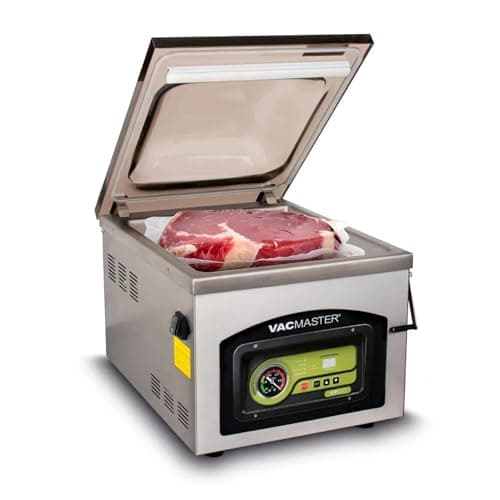
VacMaster VP230: double seals 3 to 7 mil Mylar
See price on AmazonSee it on Amazon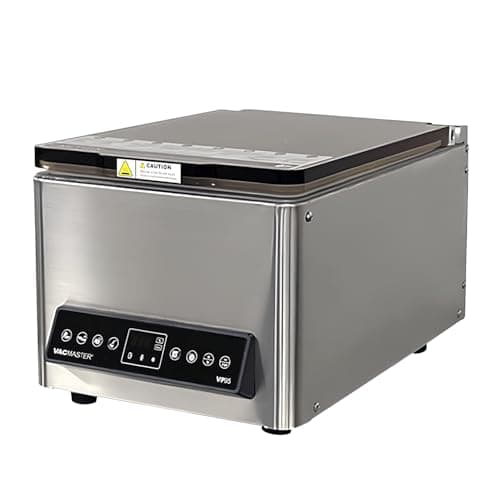
VacMaster VP95: 5 and 7 mil mylar on a compact oil pump
See price on AmazonSee it on Amazon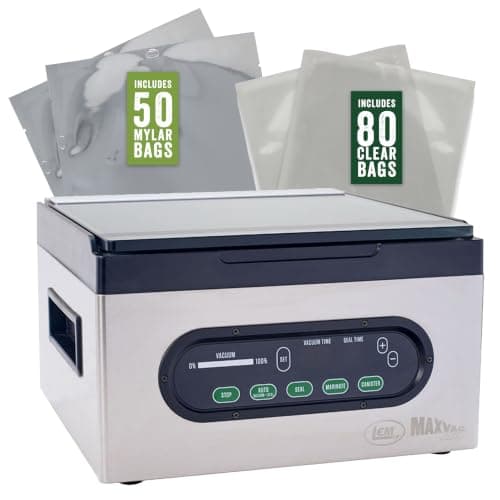
LEM MaxVac Pro: chamber sealer bundled with 50 Mylar bags
See price on AmazonSee it on Amazon
Freeze dried candy is one of the most popular things people make in a home freeze dryer, and Skittles are the classic first batch. Candy works differently from fruit or meals: most of the change you see comes from heat softening the candy while the vacuum makes it expand, not from long drying. This guide covers how to set up trays, how candy mode on many Harvest Right units differs from a normal cycle, which candies puff and which disappoint, and how to store the results so they stay crunchy. Settings vary by model and software version, so treat your manual as the final word.
Why candy puffs in a freeze dryer
Chewy candies contain a little water and tiny pockets of air in a soft sugar matrix. When the chamber is under vacuum and the shelves are warm, the candy softens and those pockets expand, so the piece swells. Water leaves as vapor, the sugar sets in the expanded shape, and you get a light, crunchy shell. That is why a Skittle cracks open and a piece of taffy grows into a crisp pillow.
Because candy starts with so little water, the cycle is much shorter than a normal batch of food. The main variables are shelf heat, time and spacing. Too little heat and candy does not puff. Too much heat and it can melt and run together.
- 1FreezeTrays chill well below freezing so the water in the food turns to ice.
- 2Vacuum pullThe pump lowers the chamber pressure until ice can turn straight to vapor.
- 3Primary dryingShelf heaters add gentle heat. Ice sublimates and the vapor freezes onto the cold condenser.
- 4Final dryWarmer shelves drive off the last bound moisture before the batch ends.
Candy mode and settings
Newer Harvest Right software includes a candy mode on many units. In general it skips the long deep freeze used for regular food and runs warmer shelves for a short cycle, which is what makes candy puff fast. The exact default temperature and time depend on the model and software version, so check the current manual or the maker's support pages for your machine rather than copying numbers from forums.
If your machine has no candy mode, the maker's support pages usually describe how to adjust the shelf heat limit and extra dry time for candy. Change one setting at a time and write down what you used, so you can repeat a good batch. Other brands, such as Blue Alpine, have their own programs; follow their instructions.
If you want to compare machines first, see Harvest Right vs Blue Alpine and is a freeze dryer worth it.
Step by step: a first batch of Skittles
Skittles are forgiving and show results quickly, which makes them a good test of your settings.
- 1
Line trays with parchment or silicone mats so softened candy does not stick to the metal.
- 2
Spread candy in a single layer and leave space around each piece. Candy can grow to two or three times its size, and pieces that touch will fuse.
- 3
Load the trays and start the candy program, or set the shelf heat and time your manual recommends for candy.
- 4
When the cycle ends, check a few pieces. They should be fully puffed, crisp all the way through, and not tacky.
- 5
If pieces are chewy in the center, run extra dry time and check again.
- 6
Let candy cool to room temperature in the chamber or on the counter, then package it right away before it picks up humidity.
Note.Hot, softened candy can stick and burn skin. Let trays cool before handling, and keep the door area clear of children while unloading.
Which candies puff and which do not
Results depend on sugar structure, water content and fat. This table groups common candies by what you can usually expect.
Chewy fruit candy
ExamplesSkittles, Starburst, taffy
Typical resultPuffs a lot and turns crunchy
Gummies
ExamplesGummy bears, gummy worms
Typical resultVaries by brand; gelatin types often puff, some stay chewy
Marshmallow candy
ExamplesMarshmallows, Peeps
Typical resultPuffs and turns crisp
Caramels
ExamplesSoft caramel chews
Typical resultPuffs, can spread if heat is high
Chocolate
ExamplesBars, chocolate coated candy
Typical resultMelts or barely changes because of the fat
Hard candy
ExamplesJolly Ranchers, lollipops
Typical resultOften needs higher heat; can melt flat or bubble
Ice cream
ExamplesIce cream bites, sandwiches
Typical resultWorks with a normal freeze cycle, not candy mode
| Candy type | Examples | Typical result |
|---|---|---|
| Chewy fruit candy | Skittles, Starburst, taffy | Puffs a lot and turns crunchy |
| Gummies | Gummy bears, gummy worms | Varies by brand; gelatin types often puff, some stay chewy |
| Marshmallow candy | Marshmallows, Peeps | Puffs and turns crisp |
| Caramels | Soft caramel chews | Puffs, can spread if heat is high |
| Chocolate | Bars, chocolate coated candy | Melts or barely changes because of the fat |
| Hard candy | Jolly Ranchers, lollipops | Often needs higher heat; can melt flat or bubble |
| Ice cream | Ice cream bites, sandwiches | Works with a normal freeze cycle, not candy mode |
Taffy and chocolate behave differently
Saltwater taffy and similar chews are soft and full of whipped air, so they swell quickly. Cut large pieces into smaller ones so the center dries and puffs before the outside overheats. Give them extra space on the tray because they spread as they grow.
Chocolate is mostly cocoa butter and sugar with very little water, so there is nothing for the vacuum to expand. Under warm shelves it simply softens and can melt across the tray. Chocolate coated candies often split as the center expands and the coating stays put. If you want chocolate in a mix, freeze dry it on a separate batch with low heat, or add it after.
Hard candies have almost no water. Some will bubble into a glassy foam with high heat, but many just melt. Test a few pieces before committing a full tray.
Storing freeze dried candy
Freeze dried candy pulls moisture from the air fast and turns sticky or chewy within hours in a humid room. Package it as soon as it cools. Mylar bags or airtight jars with a desiccant or oxygen absorber keep it crisp, and a heat sealer or a chamber sealer that can close mylar keeps bags airtight. See how to vacuum seal mylar bags and how to store freeze dried food.
If you sell candy, check your state cottage food law first. Many states regulate labeling, allergen statements and which foods may be sold from a home kitchen.
Frequently asked questions
Do you need to freeze candy before freeze drying? Not for most chewy candy when you use a candy program, since the puffing comes from heat under vacuum. Ice cream and other frozen treats do need a normal freeze cycle.
Why did my Skittles not puff? The shelf heat was likely too low or the cycle too short. Raise heat or time in small steps, following your manual's limits.
Why did my candy melt into a sheet? The heat was too high for that candy, or pieces were touching. Lower the heat, space pieces further apart and use a liner.
Can I freeze dry candy and food in the same batch? It is better not to. Candy and food need different settings, and flavors can transfer between trays.