Explainer
Can you pressure can in an Instant Pot?
Published
Short answer
No, not safely by current guidance. The National Center for Home Food Preservation does not recommend electric multicookers such as the Instant Pot for pressure canning, because USDA processing times have not been tested in them and they may not hold the needed temperature. Use a stovetop pressure canner that holds at least four quart jars.
Gear for this job
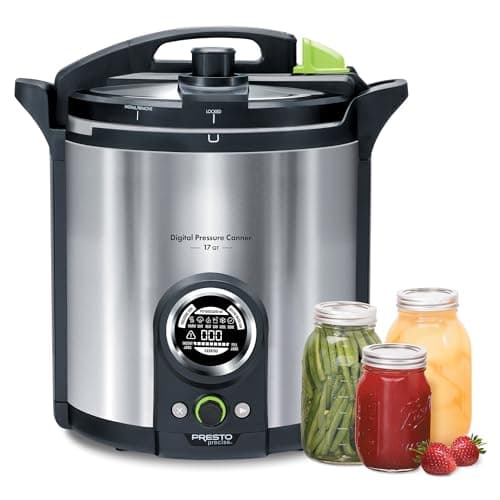
All 7 picks compared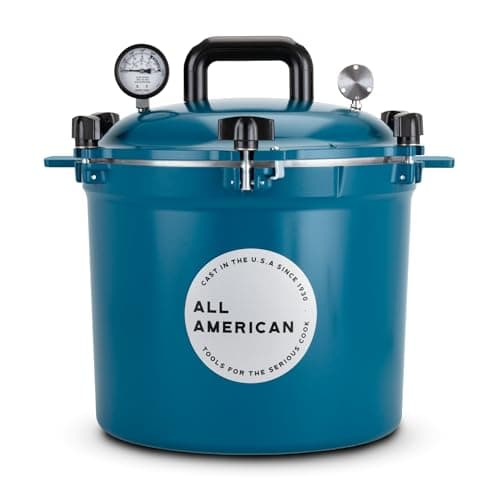
All American 921: 21.5 qt, gasketless metal seal
See price on AmazonSee it on Amazon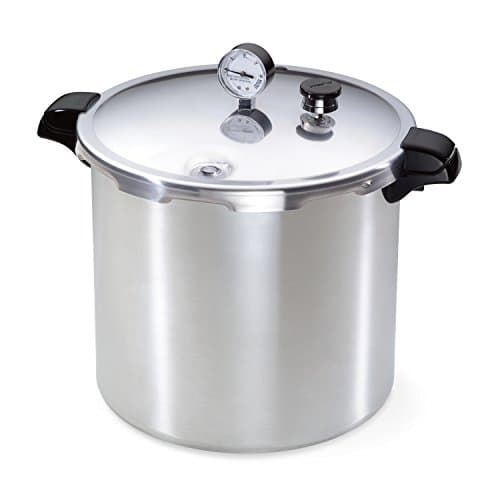
Presto 01781: 23 qt, 7 quarts, dial gauge
See price on AmazonSee it on Amazon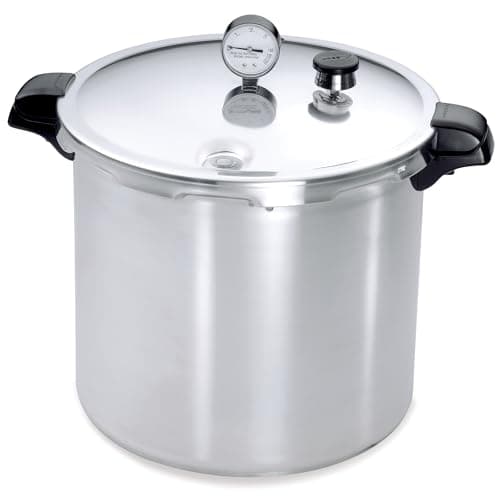
Presto 01784: 23 qt canner that works on induction
See price on AmazonSee it on Amazon
Electric multicookers do so much that it seems natural to can in them too, and some models even have a canning button. This page explains what NCHFP says about multicookers, why the problem is temperature and testing rather than whether the pot builds pressure, and what to use instead. It is for anyone who owns an Instant Pot or similar cooker and is thinking about canning vegetables, beans, meat or soups.
What NCHFP says
NCHFP, the national source for research based home canning advice, does not recommend using electric multicookers, including Instant Pot models, for pressure canning low acid foods. The same applies to using them as a substitute for a water bath canner unless a tested process exists for that exact appliance.
The core reason is simple: the USDA processing times you find in canning guides were developed and tested in stovetop pressure canners. There are no tested times for multicookers. A time that is safe in a stovetop canner is not known to be safe in a different appliance.
Why a multicooker is not a pressure canner
- Temperature, not just pressure. Safe canning depends on the jars reaching and holding a specific temperature throughout the process. Multicookers control pressure or temperature with sensors that were not designed or validated for canning.
- Heat up and cool down. USDA processes count the slow heat up and natural cool down of a full size canner as part of the heat treatment. A smaller pot heats and cools faster, so jars get less total heat.
- Size. USDA tested processes assume a canner holding at least four quart jars upright. Most multicookers hold far fewer.
- Altitude. USDA tables raise the pressure with altitude. Many multicookers cannot be adjusted to match.
- No way to verify. There is no dial or weighted gauge to confirm the pressure inside during the process.
What about the canning button?
Some multicooker models include a canning or sterilize setting. A button on the appliance is not the same as a USDA tested process. NCHFP has not approved multicookers for pressure canning based on those settings. Unless NCHFP or USDA publishes tested processes for a specific appliance, treat any canning setting on a multicooker as unverified for low acid foods.
Some appliance makers' canning functions are meant for high acid foods only. Even then, follow NCHFP's current position before relying on them.
Note.Low acid foods canned with an untested method can carry Clostridium botulinum toxin with no visible signs. Botulism is a serious, potentially fatal illness. When in doubt, freeze the food instead of canning it.
Pressure cooker vs pressure canner
Stovetop pressure cookers that are too small to hold four quart jars upright have the same problem as multicookers: they are not tested for canning. A true pressure canner is larger and has a gauge you can read or a weighted regulator set to the needed pressure, plus a rack and room for jars.
Some large stovetop units, such as All American models, are sold as cooker and canner in one. That works because they meet canner size and have proper gauges. See pressure canner vs pressure cooker and what size pressure canner you need.
Safe options instead
- 1
Buy a stovetop pressure canner that holds at least four quart jars. See best pressure canners.
- 2
If you want an electric option, look only at units sold by their makers as pressure canners, not multicookers, and check NCHFP's current guidance on them. See best electric pressure canners.
- 3
Follow a tested USDA or NCHFP recipe and the USDA canning steps.
- 4
Set pressure for your altitude with our pressure by altitude tool.
- 5
If you do not want to buy a canner, freeze low acid foods instead. Vacuum sealing helps them keep quality; see freezer burn prevention.
What you can still do with an Instant Pot
A multicooker is still useful in a canning kitchen. You can use it to cook food for the freezer, cook beans or stock that you then freeze, or prepare ingredients before canning them in a real canner if the tested recipe allows hot pack.
For storage without canning, freezing and vacuum sealing are simple and safe options. See food preservation methods compared for the trade-offs.
Why botulism is the main concern
Clostridium botulinum spores are common in soil and can be on vegetables, meat and other low acid foods. Boiling does not destroy them. In a sealed jar with no oxygen, low acid conditions and room temperature, surviving spores can grow and produce toxin. The toxin often gives no off smell, color or taste.
Pressure canning at the right pressure for the full tested time is what destroys the spores. If a method has not been tested to reach that heat throughout the jar, there is no way to know at home whether it worked. That is the reason NCHFP draws a firm line at untested appliances, even ones that seem to build pressure. For which foods fall into the low acid group, see what foods need pressure canning.
Frequently asked questions
Is it safe to can in an Instant Pot? NCHFP does not recommend it for pressure canning. There are no USDA tested processes for multicookers.
My Instant Pot has a canning button. Can I use it? A canning setting is not a tested process. NCHFP has not approved multicookers for pressure canning low acid foods.
Can I water bath can in an Instant Pot? NCHFP advises against using multicookers as a substitute for a water bath canner unless a tested process exists for that appliance.
What is the cheapest safe way to pressure can? A basic stovetop pressure canner that holds at least four quart jars, used with tested recipes and a tested gauge.