How-to
How to make jerky in a dehydrator
Published
Short answer
To make jerky in a dehydrator, trim lean meat, slice it thin, marinate it in the refrigerator, then make sure it reaches 160 F (165 F for poultry) before drying, as USDA FSIS advises, and dry it at a steady 130 to 140 F or higher until it bends and cracks without snapping. A dehydrator alone often does not heat meat fast enough to kill bacteria, so the heating step matters.
Gear for this job
All 7 picks compared
Magic Mill DualZone: two chambers, 176 F, 16 trays
See price on AmazonSee it on Amazon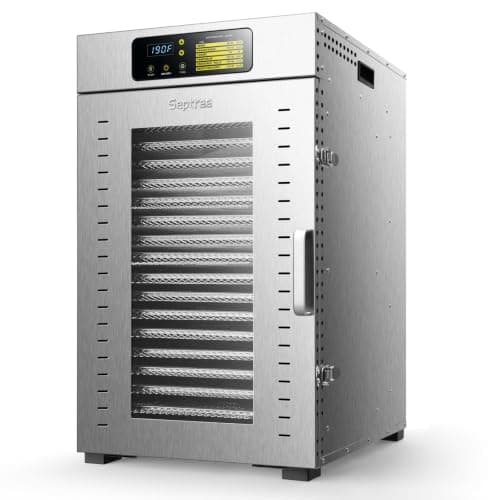
Septree 18 trays: 190 F, 2000W, jerky hanging racks
See price on AmazonSee it on Amazon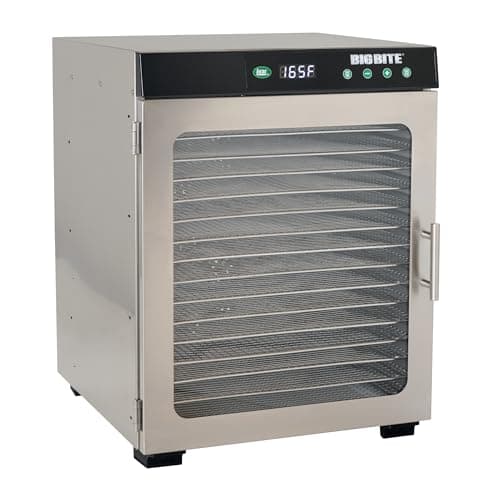
LEM BigBite 16-Tray: 176 F, 19 sq ft, stainless
See price on AmazonSee it on Amazon
Homemade jerky is one of the most popular reasons to own a dehydrator. It is easy to make well, but meat carries more risk than fruit or herbs, because bacteria such as Salmonella and E. coli can survive low temperature drying. This guide follows USDA Food Safety and Inspection Service (FSIS) and National Center for Home Food Preservation (NCHFP) guidance. It covers choosing and slicing meat, marinating, the heating step, drying, testing doneness and storage. For flavor, use any tested marinade you like; the safety steps stay the same.
Why jerky needs a heating step
Drying removes water, but it does not reliably kill bacteria. In a dehydrator, the meat surface dries and the moisture evaporating keeps the meat cooler than the air around it, so the meat may never get hot enough, fast enough, to destroy pathogens. Bacteria can also become more heat resistant as meat dries.
FSIS recommends heating meat to 160 F, and poultry to 165 F, before dehydrating, then drying in a dehydrator that holds 130 to 140 F or higher throughout. NCHFP describes a second option: dry first, then heat the finished strips in an oven to make sure they reach a safe temperature. Either approach adds the kill step that drying alone lacks.
Note.Use a food thermometer to check internal temperature on thicker strips. Wash hands, boards and knives after handling raw meat, and marinate in the refrigerator, never on the counter.
Choose and slice the meat
Lean cuts make the best jerky because fat goes rancid in storage. Beef eye of round, top round and bottom round are common choices. Trim all visible fat.
Partly freezing the meat makes thin, even slices easier. Slice about 1/4 inch thick or thinner. Cut across the grain for a tender, easier to chew jerky, or with the grain for a chewier strip. Even thickness matters more than anything else, so pieces finish at the same time.
- Ground meat jerky: possible with a jerky gun, but ground meat needs the same 160 F heating step, and poultry 165 F.
- Wild game: venison and other game can carry parasites and contamination from field dressing. Follow the same heating step, and see your state Extension office for game specific advice.
- Poultry: heat to 165 F.
Step by step: beef jerky in a dehydrator
If you prefer the dry first method, NCHFP describes heating fully dried strips on a baking sheet in an oven preheated to 275 F for about 10 minutes, making sure the strips are not stacked. Check NCHFP's jerky page for current details.
- 1
Trim fat and slice lean meat 1/4 inch thick or thinner.
- 2
Mix a marinade and soak the strips in a covered container in the refrigerator, for the time your recipe gives.
- 3
Discard used marinade. If you want to baste, set some aside before it touches raw meat.
- 4
Heat the strips to 160 F (165 F for poultry) before drying. A common way is to bring the strips and marinade to a boil and simmer briefly, or heat strips in an oven until a thermometer shows the target temperature.
- 5
Pat strips dry and lay them on dehydrator trays in a single layer without touching.
- 6
Preheat the dehydrator and dry at a steady 130 to 140 F or higher, as FSIS advises. Many units have a higher jerky setting; follow your dehydrator maker's guide.
- 7
Rotate trays if your dehydrator dries unevenly.
- 8
Test for doneness, then cool and package.
How to tell when jerky is done
Drying time depends on thickness, meat, humidity and your dehydrator, so test by feel rather than the clock. Take a strip out, let it cool for a few minutes, and bend it. Done jerky bends and cracks but does not snap in half like a stick, and there are no moist spots inside. Pat off any beads of fat on the surface with a paper towel.
If strips are done at different times, remove them as they finish. Thick ends and pieces in the warmer part of the dehydrator often finish first. See dehydrator drying unevenly if the difference is large, and the food dehydrator temperature chart for temperatures by food.
Dehydrator features that help with jerky
Jerky is easiest in a dehydrator that reaches at least 155 to 165 F at its top setting and holds that temperature steadily, with enough fan power to move air across every tray. Rear fan box dehydrators push air horizontally across all trays, which tends to give more even results than stacking round units with a single base fan. Stainless trays and enough tray area for a full batch save time. Read horizontal vs vertical airflow dehydrator for more.
Storing homemade jerky
Let jerky cool completely, then pack it in airtight containers, jars or vacuum sealed bags. FSIS says properly dried home jerky can be kept at room temperature for 1 to 2 months; refrigerating or freezing it extends quality. Label bags with the date.
Check stored jerky for moisture, mold or an off smell before eating, and discard any that shows these signs. Vacuum sealing helps limit air and moisture, but it does not replace proper drying. See how long vacuum sealed meat lasts.
Frequently asked questions
What temperature should I dehydrate jerky at? FSIS says the dehydrator should hold 130 to 140 F or higher throughout drying, after the meat has been heated to 160 F (poultry 165 F). Many dehydrators have a 155 to 165 F jerky setting.
Do I have to cook jerky before dehydrating? FSIS recommends heating meat to 160 F before drying. NCHFP also describes heating the strips in the oven after drying. One of the two heating steps is the safe approach.
How long does jerky take in a dehydrator? It varies with thickness, meat and humidity, often several hours. Test by bending a cooled strip.
Can I make jerky from ground beef? Yes, with a jerky gun and the same heating step to 160 F. Ground meat carries bacteria throughout, so the kill step is especially important.