Fix
Dehydrator drying unevenly
Published
Short answer
Uneven drying usually comes from the airflow design, overloaded or blocked trays, pieces cut to different thicknesses, or a hot spot near the heater. Cut pieces evenly, leave space between them, do not overload trays, and rotate trays and turn them around partway through, especially on stackable units with a bottom or top fan.
Gear for this job
All 7 picks compared
Magic Mill DualZone: 16 trays in two chambers
See price on AmazonSee it on Amazon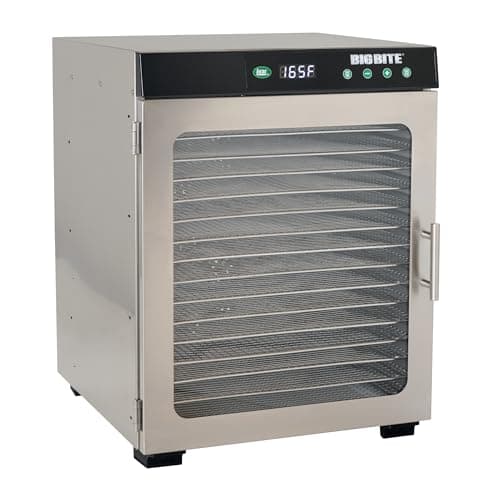
LEM BigBite 16-Tray: 19 sq ft, 1200 watts
See price on AmazonSee it on Amazon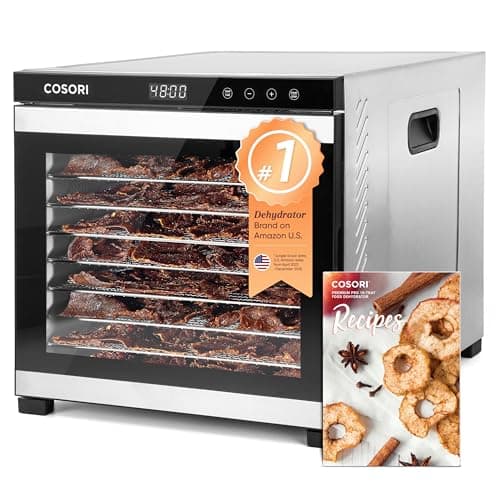
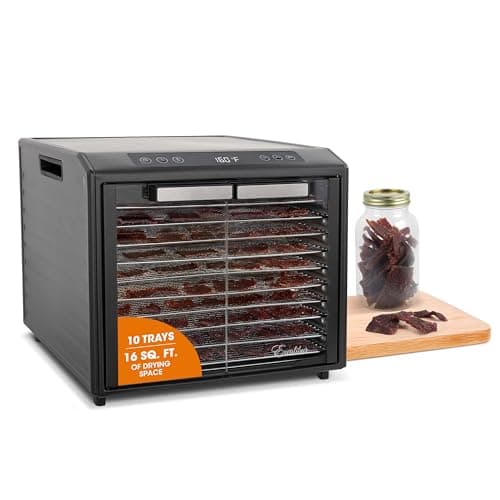
Cosori 10-Tray: 16.2 sq ft of stainless trays
See price on AmazonSee it on Amazon
If the trays near the fan are crisp while the far ones are still soft, or some apple slices are leathery while others are wet, you have uneven drying. This page explains why it happens, how to fix it with loading and rotation, and when the dehydrator itself is the problem. It covers both box style dehydrators with a rear fan and round stackable units with a fan in the base or top.
Why dehydrators dry unevenly
A dehydrator works by moving warm, dry air across food so moisture can leave the surface and be carried away. Anything that changes how much air or heat each piece gets will change how fast it dries. The air also picks up moisture and cools as it travels, so the last trays it reaches dry more slowly.
In stackable units, air moves up or down through the trays, so trays near the fan dry first. In box units with a rear fan, air flows across each tray from back to front, which is generally more even, but the back of each tray can still dry faster than the front.
Causes and fixes at a glance
Vertical airflow design
SignTrays nearest the fan dry first
FixRotate tray order partway through
Overloaded trays
SignCenter pieces stay wet
FixSingle layer with space between pieces
Uneven slices
SignThin pieces crisp, thick ones soft
FixUse a mandoline or slicer for even thickness
Mixed foods
SignSome trays done hours earlier
FixDry similar foods together
Hot spot near heater
SignBack or bottom pieces darken
FixTurn trays front to back
Blocked vents or fan
SignSlow drying overall
FixClean the fan guard and keep vents open
Humid or cold room
SignEverything slow, some trays worse
FixMove to a warmer, drier room
Dial reads wrong
SignTimes far longer or shorter than expected
FixCheck with an oven thermometer
| Cause | Sign | Fix |
|---|---|---|
| Vertical airflow design | Trays nearest the fan dry first | Rotate tray order partway through |
| Overloaded trays | Center pieces stay wet | Single layer with space between pieces |
| Uneven slices | Thin pieces crisp, thick ones soft | Use a mandoline or slicer for even thickness |
| Mixed foods | Some trays done hours earlier | Dry similar foods together |
| Hot spot near heater | Back or bottom pieces darken | Turn trays front to back |
| Blocked vents or fan | Slow drying overall | Clean the fan guard and keep vents open |
| Humid or cold room | Everything slow, some trays worse | Move to a warmer, drier room |
| Dial reads wrong | Times far longer or shorter than expected | Check with an oven thermometer |
How to load trays for even drying
- 1
Cut pieces to the same thickness. A mandoline or meat slicer helps for fruit and jerky.
- 2
Lay pieces in a single layer with small gaps so air can flow between them.
- 3
Do not let pieces overlap or touch the tray walls.
- 4
Put thicker or wetter foods on trays closest to the fan in a stackable unit.
- 5
Use mesh or leather sheets only where needed, since solid sheets block airflow.
- 6
Dry foods of similar size and water content together.
When and how to rotate trays
On stackable units with a bottom or top fan, rotating is normal. Swap the trays nearest and farthest from the fan every few hours. On most box units with a rear fan, rotation is less critical, but turning trays front to back halfway through still helps with thick foods or full loads.
Check each tray as you rotate. Remove pieces that are done and leave the rest to finish. This avoids over drying the fast pieces while waiting for the slow ones.
Note.Unplug or turn off the dehydrator before reaching inside, and handle trays with care. Heating elements and metal trays can be hot enough to burn.
Room and machine checks
If the thermometer reads far below the dial, or the fan is weak, the dehydrator may need repair or replacement. Check the warranty first.
- Keep the dehydrator away from walls so its intake and exhaust are clear.
- Avoid cold drafts and very humid rooms such as a steamy kitchen while cooking.
- Clean dust and food bits from the fan guard and vents.
- Put an oven thermometer on a middle tray to check the real temperature.
- Listen for a fan that slows, rattles or stops. A weak fan causes slow, uneven drying.
When a different dehydrator makes sense
If you dry big batches often and rotating trays is a chore, a box dehydrator with a rear fan and horizontal airflow, such as many Excalibur and stainless steel models, generally dries more evenly. See horizontal vs vertical airflow, best food dehydrators and best stainless steel dehydrators.
Uneven drying can also leave fruit sticky in spots. See dehydrated fruit still sticky. For the right temperatures for each food, see the dehydrator temperature chart.
Uneven drying by food type
Some foods are more prone to uneven drying than others. Fruit with skins, such as grapes, blueberries and cherries, dries slowly because the skin holds moisture in. Halve them or check blanching directions in NCHFP guidance so they dry at the same rate as cut fruit. Juicy fruits such as pineapple and mango can stay sticky in the center while the edges turn leathery.
Jerky dries unevenly when strips vary in thickness or when fat is left on. Partly freezing the meat before slicing makes even strips easier to cut. Vegetables of mixed sizes, like diced carrots with sliced peppers, should go on separate trays so you can pull each when it is done.
Frequently asked questions
Should I rotate dehydrator trays? Yes for stackable units with a bottom or top fan, every few hours. For box units with a rear fan, turning trays front to back halfway through helps with full loads.
Why is food on the bottom tray drying faster? In a bottom fan unit, the bottom tray gets the warmest, driest air first. Rotate trays so each spends time near the fan.
Can I take out pieces that are done early? Yes. Remove finished pieces and let the rest keep drying. This prevents over drying.
Does uneven drying make food unsafe? Pieces that are not fully dry can spoil in storage. Make sure every piece meets the doneness test, and condition fruit before storing.