Explainer
Freeze dryer time chart by food
Published
Short answer
Harvest Right describes a typical home freeze dryer batch as taking roughly 20 to 40 hours from start to finish. Thin, low sugar foods sit at the short end, while thick, wet, sugary or fatty foods and full trays run longer. The machine's sensors decide when drying is done, so times are a planning guide, not a setting you enter.
Gear for this job
All 6 picks compared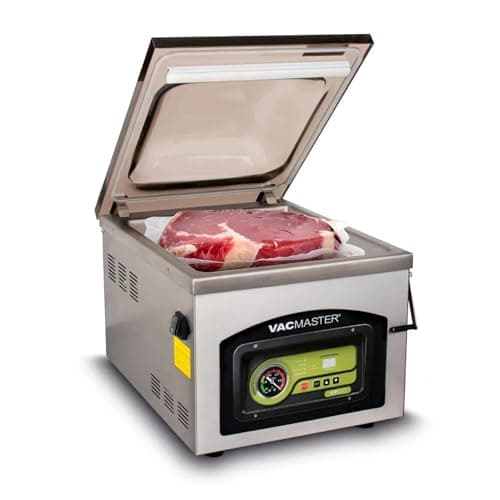
VacMaster VP230: double seals 3 to 7 mil Mylar
See price on AmazonSee it on Amazon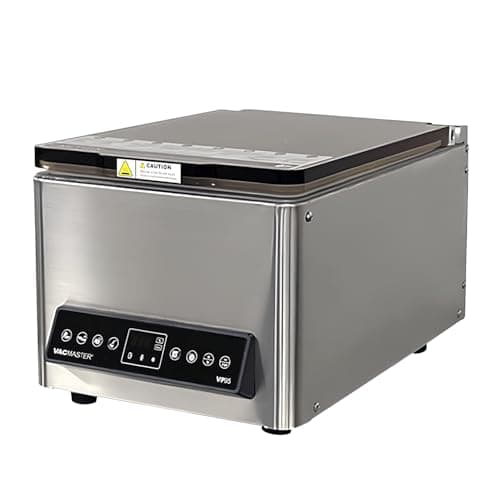
VacMaster VP95: 5 and 7 mil mylar on a compact oil pump
See price on AmazonSee it on Amazon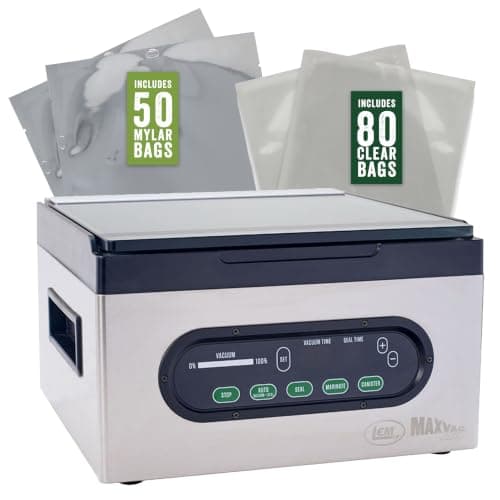
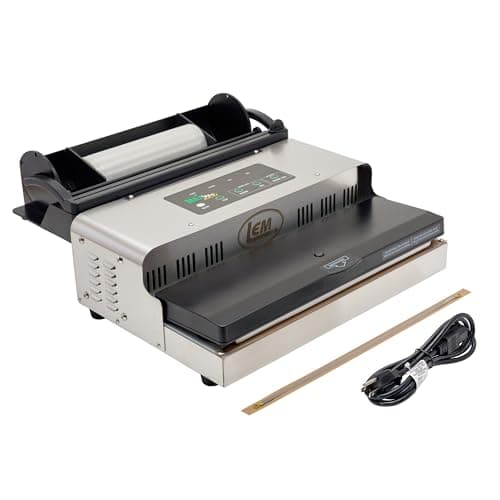
LEM MaxVac Pro: chamber sealer bundled with 50 Mylar bags
See price on AmazonSee it on Amazon
If you just bought a freeze dryer, or you are planning batches around a work week, you want to know how long a load will tie up the machine. This chart groups common foods by how long they tend to take relative to each other, then explains the factors that stretch or shorten a batch. It does not give exact hours for each food, because real times depend on your machine, your room and how you load the trays. Use it to plan, and let the machine's own sensors and a dryness check decide when food is done.
What happens during a batch
A batch runs in stages. First the machine freezes the food solid. Then the vacuum pump pulls the chamber pressure down so ice can turn directly into vapor, which collects as ice on the cold chamber walls. During primary drying the shelves add gentle heat to keep sublimation going. A final dry stage warms the shelves more to remove the last bound moisture.
Most of the time is spent in drying, and that is where food type matters most. More water to remove, or water that is harder to reach, means a longer batch. For the full picture, see how a freeze dryer works.
- 1FreezeTrays chill well below freezing so the water in the food turns to ice.
- 2Vacuum pullThe pump lowers the chamber pressure until ice can turn straight to vapor.
- 3Primary dryingShelf heaters add gentle heat. Ice sublimates and the vapor freezes onto the cold condenser.
- 4Final dryWarmer shelves drive off the last bound moisture before the batch ends.
Freeze dryer time chart by food type
Use this table to compare foods against each other. Short, medium and long are relative to the roughly 20 to 40 hour typical batch, not fixed hours. Your own times will vary with tray load and room temperature.
Herbs, thin sliced vegetables
Relative batch lengthShorter
WhyThin pieces, little water per tray
Cooked diced meat, cooked ground meat
Relative batch lengthMedium
WhyModerate water, but fat slows drying
Sliced fruit (apples, bananas)
Relative batch lengthMedium to long
WhyHigh water and natural sugar
Berries left whole
Relative batch lengthLong
WhySkin traps moisture; cut or pierce them
Full meals, soups, casseroles
Relative batch lengthLong
WhyThick, wet and mixed
Dairy such as yogurt drops
Relative batch lengthMedium to long
WhyHigh water, some fat
High sugar foods (pineapple, watermelon)
Relative batch lengthLong
WhySugar holds water and can melt back
Candy (with a candy mode)
Relative batch lengthShort
WhyLittle water; the cycle is mostly puffing
| Food | Relative batch length | Why |
|---|---|---|
| Herbs, thin sliced vegetables | Shorter | Thin pieces, little water per tray |
| Cooked diced meat, cooked ground meat | Medium | Moderate water, but fat slows drying |
| Sliced fruit (apples, bananas) | Medium to long | High water and natural sugar |
| Berries left whole | Long | Skin traps moisture; cut or pierce them |
| Full meals, soups, casseroles | Long | Thick, wet and mixed |
| Dairy such as yogurt drops | Medium to long | High water, some fat |
| High sugar foods (pineapple, watermelon) | Long | Sugar holds water and can melt back |
| Candy (with a candy mode) | Short | Little water; the cycle is mostly puffing |
Note.Raw meat, raw eggs and raw seafood stay raw after freeze drying. Freeze drying does not cook food or kill pathogens. Cook raw foods to a safe internal temperature before eating them, or freeze dry foods that are already cooked.
What makes a batch take longer
- Thickness. Thick slices and deep tray layers take much longer. Aim for even pieces and a thin layer.
- Total water. Watermelon, soups and sauces carry a lot of water per tray.
- Sugar. Sugary foods hold water and can soften or melt if shelves warm too early.
- Fat. High fat foods dry slowly and store poorly. Trim fat where you can.
- Skins. Whole berries, grapes and peas trap moisture. Slice, halve or pierce them.
- Overloaded trays. Going past the maker's weight per tray stretches the batch and can leave wet spots.
- Warm room. A hot garage or laundry room makes the refrigeration and the condenser work harder.
- Pump condition. Dirty or wet pump oil, or a small vacuum leak, slows drying a lot.
How to shorten batch times
Pre-freezing helps most when you want to run back to back batches. Just do not let pre-frozen trays thaw on the counter before loading.
- 1
Cut food into even pieces, ideally no thicker than the maker recommends.
- 2
Spread food in a thin, even layer and stay within the tray weight limit.
- 3
Pre-freeze trays in a freezer before loading if your manual allows it.
- 4
Keep the room cool and give the machine the clearance listed in the manual.
- 5
Keep pump oil clean, or use an oil free pump, and check the door gasket for debris.
- 6
Do not mix very wet and very dry foods in one batch.
How to tell when food is dry
The controller ends the batch based on its sensors, but you should still check before packing. Pick up the thickest piece on each tray and break it open. It should be dry and crisp all the way through, with no cold or damp spots in the center. Cold spots usually mean ice is still present.
If anything feels cool or soft, add more dry time from the menu and check again. Packing food that is not fully dry is the most common reason freeze dried food goes soft or spoils. More on that in freeze dried food not dry.
Planning batches around the chart
Because batches run a day or more, group foods with similar drying needs. A tray of thin apple slices with a tray of thick stew will not finish together, and the machine will run until the slowest tray is done. Running similar foods together gives you more predictable times.
When the batch finishes, pack food quickly into airtight containers so it does not pick up moisture. See how to store freeze dried food and the oxygen absorber size chart. A sealer that handles mylar, like those in best vacuum sealers for mylar bags, speeds this up.
Frequently asked questions
How long does a freeze dryer take? Harvest Right describes a typical batch as roughly 20 to 40 hours. Thin, low sugar foods are faster; thick, sugary or full trays are slower.
Can I stop a batch early? You can, but food that is not fully dry will not store well. Check the thickest pieces for cold or damp centers before packing.
Why did the same food take longer this time? Room temperature, tray load, piece thickness and pump oil condition all change batch time. A warmer room is a common cause.
Does freeze drying make raw meat safe to eat? No. Freeze drying removes water but does not cook food. Cook raw meat, eggs and seafood to a safe internal temperature before eating.