How-to
How to change and filter freeze dryer pump oil
Published
Short answer
Oil based freeze dryer pumps need their oil drained and filtered or replaced on the schedule in your pump manual, and any time the oil looks milky, cloudy or dark. Warm the pump first, drain it, then refill to the sight glass line with the vacuum pump oil the maker specifies. An oil free pump skips this routine but costs more.
Gear for this job
All 6 picks compared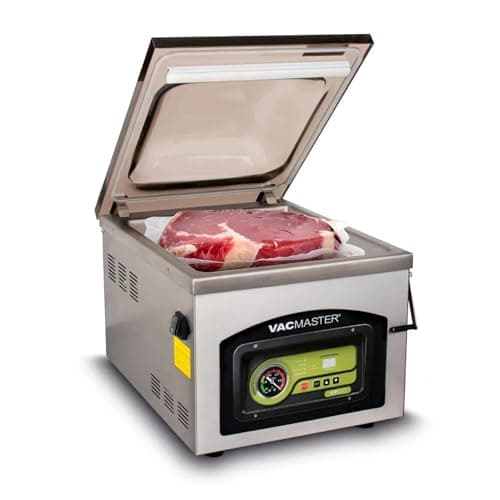
VacMaster VP230: double seals 3 to 7 mil Mylar
See price on AmazonSee it on Amazon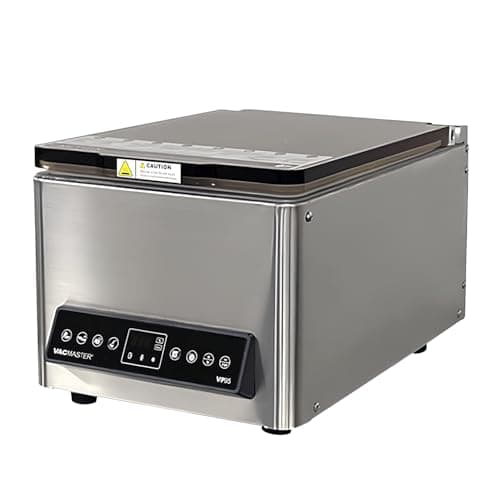
VacMaster VP95: 5 and 7 mil mylar on a compact oil pump
See price on AmazonSee it on Amazon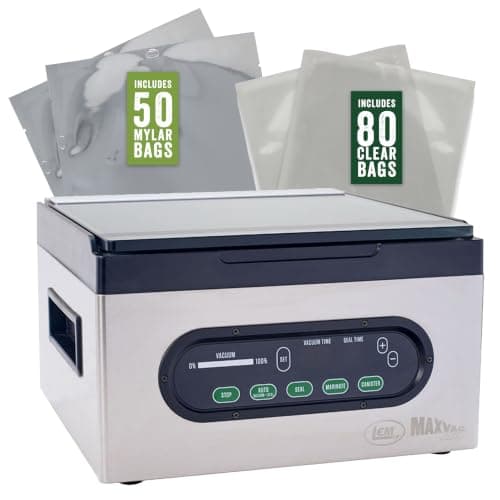
LEM MaxVac Pro: chamber sealer bundled with 50 Mylar bags
See price on AmazonSee it on Amazon
This guide is for owners of home freeze dryers with an oil based vacuum pump, including many Harvest Right setups. It explains why the oil gets dirty, how to tell when it needs attention, how to drain, filter and refill it, and how to decide whether an oil free pump is worth buying. Always follow your pump's own manual first. Pumps differ in drain location, oil type and recommended intervals, and the maker's instructions win over any general guide.
Why freeze dryer pump oil gets dirty
During a batch, the pump pulls air and water vapor out of the chamber. Most vapor freezes onto the cold chamber walls, but some reaches the pump. Over time the oil picks up water, plus traces of oils and acids from food. Water in the oil makes it look milky and lowers the vacuum the pump can reach.
Poor vacuum shows up as longer batches, trouble reaching the target pressure, or vacuum errors. Clean oil is one of the cheapest ways to keep batch times predictable. If you are chasing longer batches, also check the freeze dryer time chart and Harvest Right troubleshooting.
- 1FreezeTrays chill well below freezing so the water in the food turns to ice.
- 2Vacuum pullThe pump lowers the chamber pressure until ice can turn straight to vapor.
- 3Primary dryingShelf heaters add gentle heat. Ice sublimates and the vapor freezes onto the cold condenser.
- 4Final dryWarmer shelves drive off the last bound moisture before the batch ends.
When to filter or change the oil
Pump makers give an interval in batches or hours in the manual, and that is the schedule to follow. Between scheduled changes, look at the oil through the sight glass before each batch. Clear, light colored oil at the correct level is fine. Change or filter it sooner if you see any of the signs below.
Clear and light, at the line
What it usually meansHealthy oil
What to doRun the batch
Milky or cloudy
What it usually meansWater in the oil
What to doDrain and filter or replace
Dark or brown
What it usually meansOld oil or contamination
What to doReplace with fresh oil
Below the line
What it usually meansLow oil
What to doTop up with the specified oil
Bits or sludge
What it usually meansDebris in the pump
What to doDrain, replace and contact the maker if it returns
| What you see | What it usually means | What to do |
|---|---|---|
| Clear and light, at the line | Healthy oil | Run the batch |
| Milky or cloudy | Water in the oil | Drain and filter or replace |
| Dark or brown | Old oil or contamination | Replace with fresh oil |
| Below the line | Low oil | Top up with the specified oil |
| Bits or sludge | Debris in the pump | Drain, replace and contact the maker if it returns |
How to change freeze dryer pump oil
- 1
Run the pump for a short time, or change the oil right after a batch, so the oil is warm and drains fully. Unplug the pump before you open anything.
- 2
Place a clean container under the drain plug. Remove the fill cap on top so air can enter.
- 3
Remove the drain plug and let the oil drain. Tilt the pump gently toward the drain if the manual allows it.
- 4
Look at the old oil. Milky oil means water; dark oil or debris means it should be replaced, not filtered.
- 5
Reinstall the drain plug snugly. Do not overtighten it.
- 6
Fill with the vacuum pump oil your pump maker specifies until the level reaches the line on the sight glass.
- 7
Replace the fill cap, plug in the pump and check the level again after a short run.
Note.Use only vacuum pump oil of the type your pump maker lists. Motor oil or other oils can foam, raise vapor pressure and damage the pump. Let a hot pump cool enough to handle safely.
Filtering and reusing pump oil
Oil that is only milky from water can often be cleaned and reused. A common approach is to let the drained oil sit in a clear container so water and heavier residue settle out, then pour off the clean oil through a filter. Some owners use a dedicated oil filter accessory made for freeze dryer pumps.
Filtering stretches how often you need to buy new oil, but it has limits. Replace oil that stays dark, smells burnt or has sludge after settling. When in doubt, use fresh oil. It costs much less than a pump repair.
Oil pump vs oil free pump
Oil free pumps use dry mechanisms that do not need oil changes. They cost more up front and are usually sold as an upgrade or option. The trade is simple: more money once, less routine maintenance forever.
An oil free pump makes most sense if you run batches often, find the oil routine a chore, or keep the machine somewhere that makes changing oil awkward. If you run a few batches a year and do not mind a short oil check, the standard oil pump does the job. Either way, factor the pump into your total cost; see how much a freeze dryer costs.
- Oil pump: lower purchase price, needs oil checks, filtering and changes
- Oil free pump: higher purchase price, no oil routine
- Both: keep the intake hose and chamber door gasket clean
Keeping the pump healthy between changes
Chamber vacuum sealers use similar oil pumps, and the same habits apply. If you own one, see chamber vacuum sealer pump oil. For packing finished food, a mylar capable sealer from best vacuum sealers for mylar bags pairs well with a freeze dryer.
- Check the sight glass before every batch.
- Keep the gas ballast valve set as your manual describes, if your pump has one.
- Make sure food is not overloaded, so less vapor reaches the pump.
- Defrost and dry the chamber fully between batches.
- Keep the pump in a ventilated spot so it does not overheat.
- Write the date and batch count on a strip of tape near the pump after each change.
Frequently asked questions
What oil does a Harvest Right pump use? Use the vacuum pump oil listed in your pump's manual or sold by the maker for that pump. Do not substitute motor oil.
How often should I change freeze dryer pump oil? Follow the interval in your pump manual, and change or filter it sooner whenever the oil looks milky, cloudy or dark in the sight glass.
Can I reuse filtered pump oil? Oil that is only milky from water can often be settled and filtered for reuse. Replace oil that stays dark, smells burnt or has sludge.
Is an oil free pump worth it? It is worth it if you run many batches and want to skip oil maintenance. Occasional users usually do fine with the standard oil pump.
What you need for this
- See price on AmazonAmazon
VacMaster VP230: double seals 3 to 7 mil Mylar