Fix
Jars not sealing after pressure canning
Published
Short answer
Jars usually fail to seal because of food or grease on the rim, the wrong headspace, liquid siphoning out during processing, reused or damaged lids, or bands that were too loose or too tight. For any unsealed jar, USDA and NCHFP guidance is to reprocess it within 24 hours with a new lid and the full original process time, or refrigerate it and use it soon.
Gear for this job
All 7 picks compared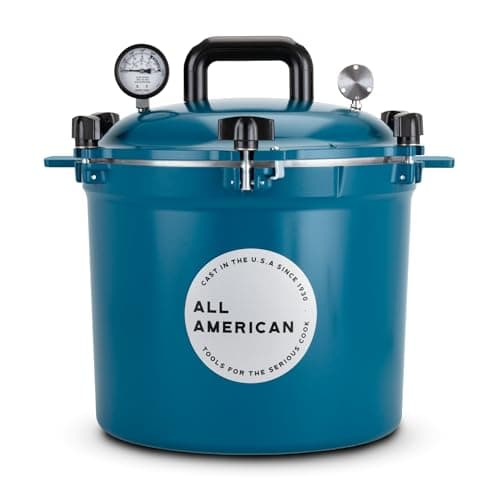
All American 921: 21.5 qt, gasketless metal seal
See price on AmazonSee it on Amazon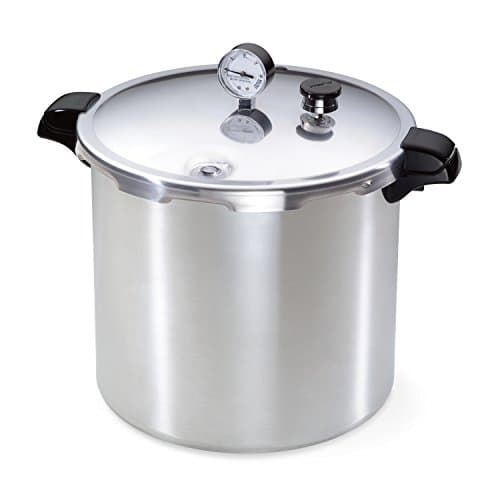
Presto 01781: 23 qt, 7 quarts, dial gauge
See price on AmazonSee it on Amazon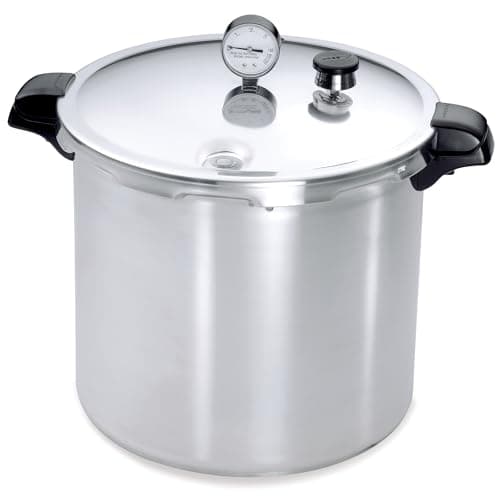
Presto 01784: 23 qt canner that works on induction
See price on AmazonSee it on Amazon
After a long pressure canning session, a lid that pops back when pressed is a letdown. One unsealed jar in a batch is common; several in a row point to a habit worth fixing. This page is for home canners following tested USDA and NCHFP recipes. It covers how to check seals correctly, the usual reasons lids fail, how to prevent each one, and exactly what to do with an unsealed jar under the 24 hour rule. It does not change any processing time; those always come from the tested recipe.
How to check the seal
Leave jars undisturbed for 12 to 24 hours after you remove them from the canner. Do not press lids or retighten bands while they cool. Then check each jar.
- 1
Press the center of the lid. A sealed lid is curved down and does not move or pop.
- 2
Remove the band and gently try to lift the lid with your fingertips. A sealed lid stays put.
- 3
Look at the lid from the side. It should be slightly concave.
- 4
Wipe jars, label with contents and date, and store without the bands.
Note.Hearing the lid ping is a good sign but not proof. Always do the press and lift checks.
Common causes and fixes
Rim residue and headspace cause most single failures. Siphoning is the most common cause when several jars in a batch fail together.
Food, grease or salt on the rim
Why it stops a sealBlocks contact between the lid compound and glass
PreventionWipe rims with a clean damp cloth; use vinegar for fatty foods if your recipe suggests it
Wrong headspace
Why it stops a sealToo little lets food bubble out, too much may leave air
PreventionMeasure headspace from the tested recipe
Siphoning (liquid loss)
Why it stops a sealLiquid and food pushed onto the rim during processing
PreventionHold steady pressure, cool naturally, wait before opening
Reused or old lids
Why it stops a sealSealing compound already used or degraded
PreventionUse new lids for two piece systems
Nicked or uneven rim
Why it stops a sealLid cannot sit flat
PreventionInspect rims and retire damaged jars
Band too loose or too tight
Why it stops a sealLoose lets lid shift; tight stops air venting
PreventionFingertip tight, as the lid maker directs
Air bubbles not removed
Why it stops a sealAir trapped in the jar
PreventionRun a bubble tool around the inside before capping
Pressure dropped during processing
Why it stops a sealUneven heat causes boiling and liquid loss
PreventionKeep pressure steady; restart time if it drops below target
| Cause | Why it stops a seal | Prevention |
|---|---|---|
| Food, grease or salt on the rim | Blocks contact between the lid compound and glass | Wipe rims with a clean damp cloth; use vinegar for fatty foods if your recipe suggests it |
| Wrong headspace | Too little lets food bubble out, too much may leave air | Measure headspace from the tested recipe |
| Siphoning (liquid loss) | Liquid and food pushed onto the rim during processing | Hold steady pressure, cool naturally, wait before opening |
| Reused or old lids | Sealing compound already used or degraded | Use new lids for two piece systems |
| Nicked or uneven rim | Lid cannot sit flat | Inspect rims and retire damaged jars |
| Band too loose or too tight | Loose lets lid shift; tight stops air venting | Fingertip tight, as the lid maker directs |
| Air bubbles not removed | Air trapped in the jar | Run a bubble tool around the inside before capping |
| Pressure dropped during processing | Uneven heat causes boiling and liquid loss | Keep pressure steady; restart time if it drops below target |
Siphoning and how to stop it
Siphoning is when liquid escapes from jars during processing or cooling, often leaving food stuck to the rim and jars half full. It usually comes from sudden pressure changes. Pressure swings during processing, forcing the canner to cool, removing the weight too early, or opening the lid as soon as pressure drops all cause it.
Hold the pressure steady by adjusting heat gradually. When time is up, turn off the heat and let the canner return to zero on its own. Then follow the canner maker's and NCHFP instructions: remove the weight, wait about 10 minutes, unfasten the lid and tilt it away from you as you lift it. Many canners also find it helps to leave jars in the open canner a few more minutes before lifting them out upright. NCHFP advises against opening sealed jars just to add liquid. Sealed jars that lost some liquid can be kept, though food above the liquid may darken and should be used first.
The 24 hour rule for unsealed jars
USDA and NCHFP guidance gives you two choices for a jar that did not seal. The decision should be made within 24 hours of processing.
- Reprocess within 24 hours. Remove the lid, check the jar rim for nicks, use a new lid if needed and a clean rim, and process again using the same canner and the full original processing time from the tested recipe. A new jar may be needed if the rim is damaged.
- Refrigerate and use soon. Put the jar in the refrigerator and use it within a few days, as you would leftovers.
- Freeze some foods. Many foods can be frozen instead, if you leave headspace for expansion and the jar is freezer safe.
Note.Reprocessed food will be softer and may lose quality. Never store an unsealed jar of low acid food at room temperature. Low acid foods that are not sealed and processed correctly can allow Clostridium botulinum to grow.
Lids and bands
Most two piece canning lids are made for single use. Their sealing compound forms an impression of the jar rim during processing and does not reseal reliably a second time. Bands can be reused if they are not rusted or bent.
Follow the lid maker's directions for preparing lids. Current directions for some major brands no longer call for heating lids before use. Apply bands fingertip tight, which means snug but not forced, so air can vent from the jar during processing. Bands that are too tight can cause lids to buckle; bands that are too loose can let lids shift and liquid escape.
A clean routine for the next batch
For the full process, see how to use a pressure canner, the pressure canner altitude chart and why jars break in a pressure canner.
- 1
Inspect each jar rim for chips before filling.
- 2
Fill to the headspace in the tested recipe and remove air bubbles.
- 3
Wipe every rim with a clean damp cloth.
- 4
Center new lids and apply bands fingertip tight.
- 5
Vent the canner for 10 minutes, bring it to the pressure for your altitude, and keep it steady.
- 6
Let the canner cool naturally and open it following the maker's directions.
- 7
Lift jars upright onto a towel away from drafts and leave them alone for 12 to 24 hours.
Frequently asked questions
Can I just tighten the band to seal the jar? No. Tightening a band does not create a vacuum seal. Reprocess within 24 hours or refrigerate.
How long can I leave an unsealed jar before reprocessing? USDA and NCHFP guidance is to reprocess within 24 hours. After that, refrigerate and use it soon, or discard it.
Is it safe if the lid sealed later on the shelf? Check all lids at 12 to 24 hours. A lid that later loosens on the shelf is a spoilage warning; discard the contents without tasting.
Why did many jars lose liquid and fail to seal? That is usually siphoning from pressure changes or opening the canner too soon. Keep pressure steady and let it cool naturally.
What you need for this
- See price on AmazonAmazon
All American 921: 21.5 qt, gasketless metal seal