Fix
Vacuum sealer not sealing: causes and fixes
Published
Short answer
Most sealing failures come from moisture, crumbs or grease in the bag mouth, a worn or dirty heat strip or Teflon tape, a sealer that has overheated from back to back use, or the wrong bag type. Dry and clean the bag mouth, let the sealer cool, check the seal bar and gaskets, and use bags made for your machine.
Gear for this job
All 7 picks compared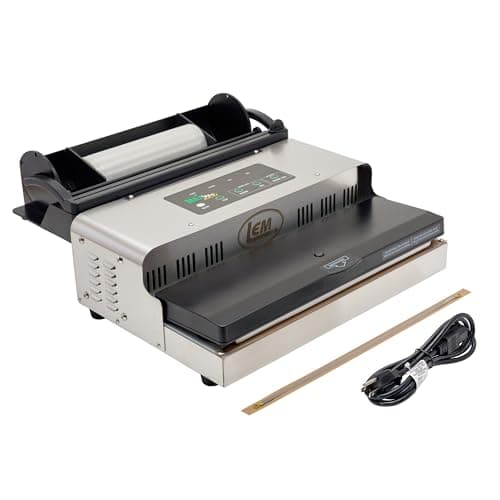
LEM MaxVac 1000: 24 Hg and 1000 seals in a row
See price on AmazonSee it on Amazon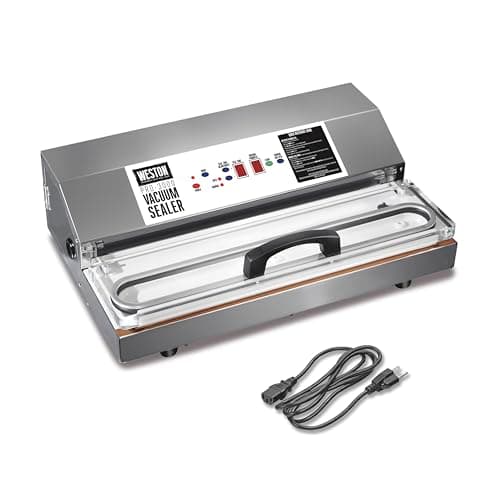
Weston Pro-3000: programmable seal time, 15 in bags
See price on AmazonSee it on Amazon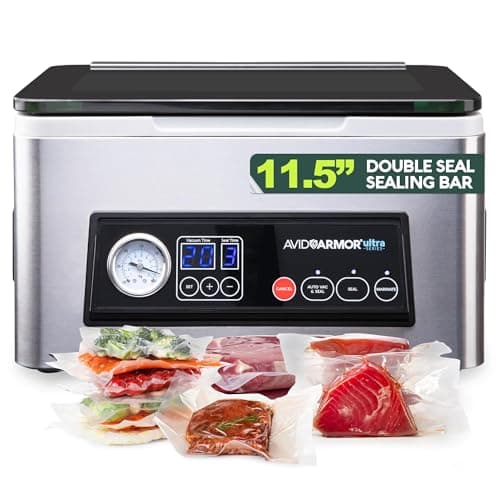
Avid Armor USV20: the chamber alternative
See price on AmazonSee it on Amazon
This page is for anyone whose vacuum sealer pulls the air out, then leaves a weak, wrinkled or partial seal, or a seal that lets air back in a day later. It covers edge style sealers such as FoodSaver, Weston and LEM, and chamber sealers. The causes are listed from most common and cheapest to fix to least common. If your sealer will not pull a vacuum at all, see vacuum sealer not vacuuming instead.
Common causes at a glance
Check the seal right after each bag. A good seal is a smooth, even, clear band across the full width of the bag with no wrinkles, bubbles or gaps.
Liquid or grease in the bag mouth
What you seeSeal looks melted but peels open, or has gaps
FixWipe and dry the mouth; pre-freeze wet foods
Crumbs or food in the seal area
What you seeGaps or channels across the seal
FixFold a cuff while filling; wipe before sealing
Wrinkles in the bag
What you seeLeaks at folds
FixLay the bag flat and centered on the strip
Overheated sealer
What you seeSeals fine at first, then fail during long sessions
FixWait between seals as the manual says
Worn heat strip or Teflon tape
What you seeWeak or uneven seal along one part of the bar
FixReplace the strip or tape
Worn or dirty gaskets
What you seeSeal OK but air leaks back during sealing
FixClean or replace gaskets
Wrong bag type
What you seeBag will not seal or seal fails
FixUse bags made for your sealer type
Sharp food piercing the bag
What you seeBag loses vacuum later, seal looks fine
FixPad bones and sharp edges
| Cause | What you see | Fix |
|---|---|---|
| Liquid or grease in the bag mouth | Seal looks melted but peels open, or has gaps | Wipe and dry the mouth; pre-freeze wet foods |
| Crumbs or food in the seal area | Gaps or channels across the seal | Fold a cuff while filling; wipe before sealing |
| Wrinkles in the bag | Leaks at folds | Lay the bag flat and centered on the strip |
| Overheated sealer | Seals fine at first, then fail during long sessions | Wait between seals as the manual says |
| Worn heat strip or Teflon tape | Weak or uneven seal along one part of the bar | Replace the strip or tape |
| Worn or dirty gaskets | Seal OK but air leaks back during sealing | Clean or replace gaskets |
| Wrong bag type | Bag will not seal or seal fails | Use bags made for your sealer type |
| Sharp food piercing the bag | Bag loses vacuum later, seal looks fine | Pad bones and sharp edges |
Fix 1: Keep the bag mouth clean and dry
Moisture is the top cause of failed seals on edge sealers. When the pump pulls air out, it also pulls juices toward the open end. Liquid in the seal area boils and stops the plastic from fusing. Fat and grease do the same thing.
Fold the top few inches of the bag back like a cuff while you fill it, then unfold it. Wipe the inside of the mouth with a paper towel before sealing. For juicy meat, marinades and soups, freeze the food on a tray or in the open bag until firm before you vacuum seal it. Many sealers also have a moist setting that heats the strip longer, and some let you seal manually before liquid reaches the strip. A chamber sealer handles liquids much better; see how to vacuum seal liquids and best vacuum sealers for liquids.
Fix 2: Let the sealer cool down
Edge sealers heat the seal strip with each cycle. When you seal many bags in a row, the strip and the electronics can get too hot. Some machines then make weak seals; others stop and refuse to run. Most manuals list a wait time between seals.
If seals were good at the start of a big session and failed later, this is likely the cause. Open the lid, let the machine rest, and work in smaller batches. Heavy duty sealers with fans and wider seal bars handle long sessions better; see best vacuum sealers for meat if you process game or bulk meat often.
Fix 3: Check the seal bar, Teflon tape and gaskets
- 1
Unplug the sealer and let it cool.
- 2
Look at the heat strip. It should be straight and flat, with no breaks or burnt spots.
- 3
Check the Teflon tape over the strip. Tears, bubbles or melted plastic stuck to it cause weak spots. Replace the tape if it is damaged.
- 4
Wipe the strip and the area around it with a damp cloth. Remove any melted plastic.
- 5
Inspect the foam or rubber gaskets around the vacuum channel. They should be soft, seated and free of cracks. Wash them in warm soapy water and dry them, or replace them if they are flattened.
- 6
Make a test seal on an empty bag and inspect it.
Note.Always unplug the sealer before touching the seal bar. It gets hot enough to burn skin and can stay hot after use.
Fix 4: Use the right bags and lay them flat
Edge sealers need textured or embossed bags. The texture gives air a path to the pump. Smooth bags will not vacuum on an edge sealer. Chamber sealers use smooth pouches and can also seal mylar if they have enough heat. Thin, cheap bags may melt through or not fuse, and very thick mylar may need a longer seal time than your machine allows.
Place the bag mouth flat and centered across the strip, with no folds. On wide bags, pull gently on each side so the plastic is smooth. If the bag is too full, there is not enough loose plastic for a clean seal; leave a few inches of headroom. More in how to use a vacuum sealer and chamber vacuum sealer bags.
Fix 5: Rule out leaks that look like seal failures
Sometimes the seal is fine and the bag loses vacuum later for another reason. Sharp bones, pasta, dried fruit and freeze dried food can puncture the bag. Wrap bone ends in paper towel or use a thicker bag.
Some foods also release gas as they sit. Fresh vegetables such as broccoli and cabbage can release gas unless they are blanched first. If one bag in a batch goes loose, look for a pinhole before blaming the sealer. If every bag fails at the seal line, the sealer is the problem.
When to repair or replace
If you have cleaned the strip, replaced the tape and gaskets, used fresh bags and the seal still fails, the heating element or control board may be failing. Check the warranty first. Many sealers have replacement strips and gaskets available from the maker.
If yours is older or underpowered for your workload, a stronger edge sealer or a chamber sealer may be the better fix. See best vacuum sealers and best chamber vacuum sealers.
Frequently asked questions
Why does my vacuum sealer vacuum but not seal? Usually moisture or grease in the bag mouth, a worn heat strip or tape, or an overheated machine. Dry the bag mouth, let the sealer cool and check the strip.
Why do my vacuum sealed bags lose their seal after a day? Look for punctures from sharp food first, then check whether the seal has gaps or wrinkles. Some fresh vegetables also release gas if not blanched.
Can I use any bag in my vacuum sealer? Edge sealers need textured bags. Chamber sealers use smooth pouches. Use bags rated for your machine type.
How do I seal wet food without it failing? Pre-freeze the food until firm, wipe the bag mouth, use the moist setting if your sealer has one, or use a chamber sealer.