Fix
Pressure canner losing pressure or leaking steam
Published
Short answer
If pressure drops below the required level at any point during processing, USDA guidance is to bring the canner back up to pressure and restart the full processing time from the beginning. Common causes are a worn or dry gasket, a lid that is not aligned or locked, steam leaking around the overpressure plug, dents on the rim, or heat that is too low or cycling on and off. Fix the cause before the next batch.
Gear for this job
All 7 picks compared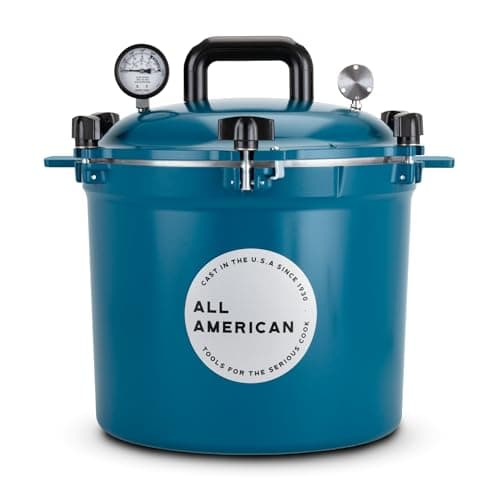
All American 921: 21.5 qt, gasketless metal seal
See price on AmazonSee it on Amazon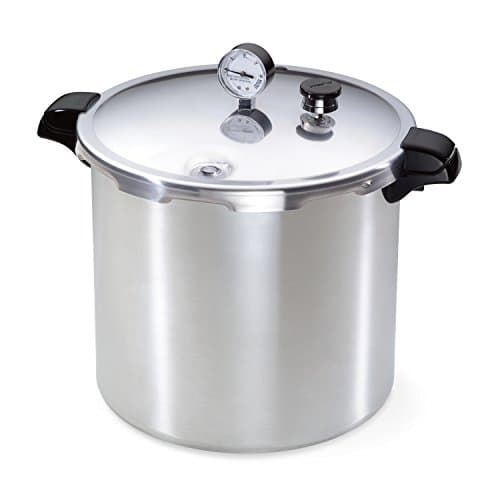
Presto 01781: 23 qt, 7 quarts, dial gauge
See price on AmazonSee it on Amazon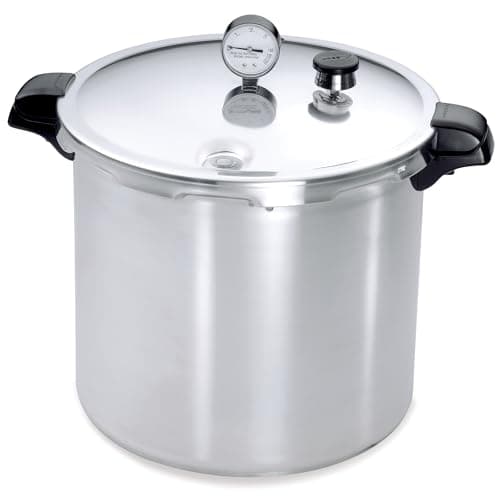
Presto 01784: 23 qt canner that works on induction
See price on AmazonSee it on Amazon
This page is for home canners whose pressure canner keeps dropping pressure, loses steam around the lid or will not hold steady. Steady pressure is not just about convenience: the tested processing times assume the canner holds the right pressure the whole time, so a drop means the food may be under-processed. We cover what to do in the moment, the usual causes in the order to check them, and how to keep pressure steady on different stoves. Background on the parts is in how to use a pressure canner.
What to do right now if pressure drops
USDA guidance is clear. If at any time the pressure falls below the recommended level for your altitude, bring the canner back up to the correct pressure and begin timing again from zero, using the full original process time. Food quality may suffer from the longer heating, but safety comes first.
Large pressure swings also pull liquid out of jars (siphoning), which can lead to seal failures. Aim to hold pressure steady at or slightly above the target rather than letting it rise and fall.
Note.Use only tested recipes from the USDA Complete Guide to Home Canning, the National Center for Home Food Preservation or your canner maker's current manual. Do not guess processing times or pressures. Under-processed low acid food can carry botulism toxin without any sign of spoilage.
Causes table
Work down this list from the most common and cheapest fixes.
Steam escaping around the lid edge
Likely causeDry, stretched or cracked gasket; lid not aligned or locked
FixReseat or replace gasket; align and lock lid per manual
Steam around the lid on metal to metal canners
Likely causeRim not lubricated or dirty, as directed by the maker
FixClean rim and apply the lubricant the manual specifies
Steam from the overpressure plug
Likely causeWorn or hardened plug, or plug not seated
FixReplace plug with the correct part
Pressure drifts down slowly
Likely causeHeat set too low, drafts, burner cycling
FixRaise heat slightly, block drafts, adjust for your stove
Pressure will not build at all
Likely causeVent left open, weight missing, large lid leak
FixClose vent or place weight after venting; check gasket and lid
Weighted gauge stops rocking
Likely causeHeat too low
FixIncrease heat until it rocks as your manual describes
| What you see | Likely cause | Fix |
|---|---|---|
| Steam escaping around the lid edge | Dry, stretched or cracked gasket; lid not aligned or locked | Reseat or replace gasket; align and lock lid per manual |
| Steam around the lid on metal to metal canners | Rim not lubricated or dirty, as directed by the maker | Clean rim and apply the lubricant the manual specifies |
| Steam from the overpressure plug | Worn or hardened plug, or plug not seated | Replace plug with the correct part |
| Pressure drifts down slowly | Heat set too low, drafts, burner cycling | Raise heat slightly, block drafts, adjust for your stove |
| Pressure will not build at all | Vent left open, weight missing, large lid leak | Close vent or place weight after venting; check gasket and lid |
| Weighted gauge stops rocking | Heat too low | Increase heat until it rocks as your manual describes |
Gaskets, lids and rims
Canners with rubber gaskets, such as many Presto models, rely on that gasket for the seal. Gaskets dry out, harden, stretch or crack with age. Remove it, wash and dry it, check it for damage and reseat it evenly. Replace it if it is hard, cracked or no longer fits snugly. Use only gaskets made for your model.
Canners with metal to metal seals, such as All American models, have no gasket. Their makers typically direct you to keep the sealing surfaces clean and lightly lubricated. Follow your manual for the lubricant and amount. A dent or nick in the rim of any canner can also cause leaks; if you find one, contact the maker.
- Check the lid lines up with the base marks before locking
- Tighten wing nuts or clamps evenly in opposite pairs on clamp style lids
- Inspect the rim for dents or nicks
- Replace overpressure plugs on the maker's schedule
Vent pipe and venting
Before every batch, hold the lid up to the light and look through the vent pipe to be sure it is clear. Food particles or mineral deposits can partly block it. Clean it with a pipe cleaner or small brush. A blocked vent pipe is a safety concern because it affects how the canner releases pressure.
Always vent the canner for 10 minutes with steam flowing freely before closing the vent or placing the weight. Venting pushes air out of the canner. Air left inside means the temperature can be lower than the gauge suggests, even if the gauge shows the right pressure.
Note.Never force a lid open or loosen clamps while there is pressure in the canner. Let it cool and depressurize naturally until the gauge reads zero or the weight no longer releases steam, then wait as the manual directs before opening.
Keeping heat steady on your stove
Once the canner reaches pressure, it usually needs a lower heat setting to hold it. Turning heat down too far causes drops. Adjust in small steps and stay nearby, especially in the first few minutes.
Gas burners respond fast and are easy to adjust. Coil electric burners respond slowly, so small changes take a minute to show. Some glass top stoves cycle the burner off when they get hot, which can cause swings; check your stove maker's guidance on canning, and see pressure canning on a glass top stove. Drafts from fans or open windows can also pull heat away from the canner.
- Find the setting that holds pressure for your stove and write it down
- Avoid drafts from fans and windows
- Use a burner that matches the canner base size
- On glass tops, confirm the canner is approved for that surface
When it is time to replace parts or the canner
If you have replaced the gasket and plug, cleaned the vent and rim and still cannot hold pressure, the lid or body may be warped or damaged. Contact the maker for service. For dial gauge canners, also have the gauge tested; see pressure canner gauge testing.
If you need a new canner, our best pressure canners guide and canners for glass top stoves cover current models. Check your altitude pressure with the USDA altitude pressure tool.
Frequently asked questions
What should I do if my pressure canner loses pressure? Bring it back up to the correct pressure and restart the processing time from the beginning, as USDA guidance directs.
Is a little steam from the weighted gauge normal? Yes. A weighted gauge releases steam as it rocks or jiggles. Steam leaking around the lid edge or plug is not normal.
Why is liquid missing from my jars after canning? Pressure swings during processing or cooling too fast often cause siphoning. Hold steady pressure and let the canner cool naturally.
How often should I replace the canner gasket? Replace it when it is hard, cracked, stretched or leaking. Check it before each canning season.
What you need for this
- See price on AmazonAmazon
All American 921: 21.5 qt, gasketless metal seal