Fix
Pressure canner lid won't close or seal
Published
Short answer
A pressure canner lid that will not close is usually misaligned, has a swollen, dry or stretched gasket, or has food or mineral buildup on the rim. On gasket canners like Presto and Barton, clean and inspect the sealing ring and replace it if it is hard, cracked or stretched. On metal to metal canners like All American, clean the edge and apply the light lubricant the maker specifies. Never force a lid.
Gear for this job
All 7 picks compared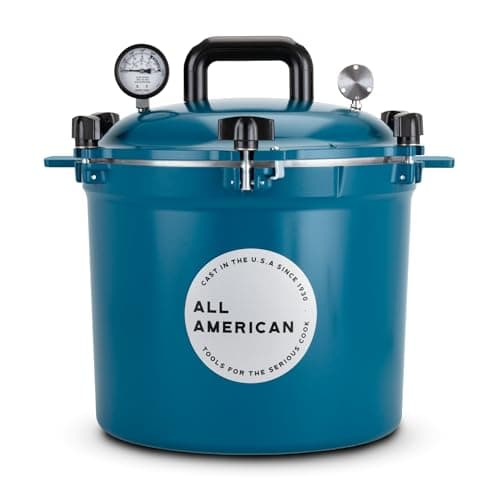
All American 921: 21.5 qt, gasketless metal seal
See price on AmazonSee it on Amazon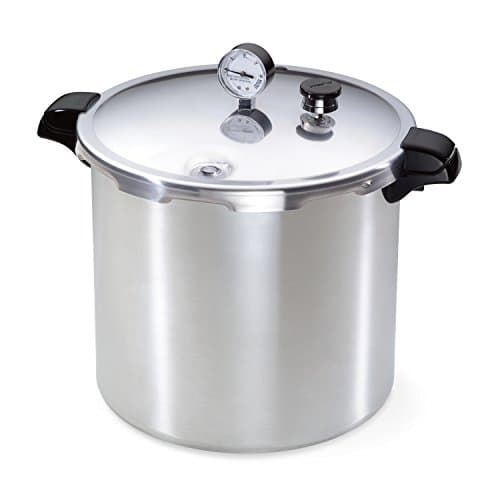
Presto 01781: 23 qt, 7 quarts, dial gauge
See price on AmazonSee it on Amazon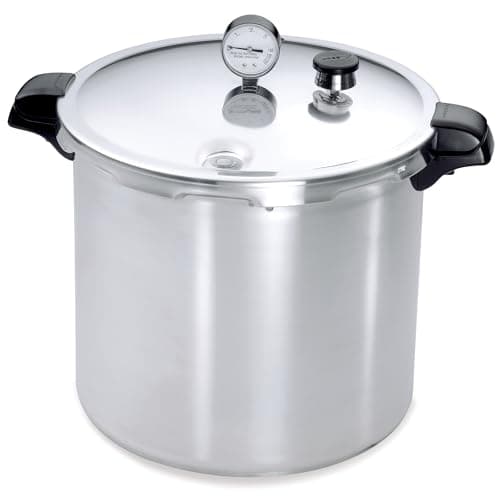
Presto 01784: 23 qt canner that works on induction
See price on AmazonSee it on Amazon
A lid that will not twist closed, or that closes but leaks steam around the edge, stops a canning day cold. The fix is usually simple and inexpensive, but the seal is a safety part, so it is worth doing right. This page covers the two sealing designs, gasket and metal to metal, the common reasons each fails to close or seal, and how to fix them by model type. It is for owners of stovetop canners including Presto, All American and Barton style models. If your canner closes but will not hold pressure during processing, also see pressure canner losing pressure.
Two kinds of seal: gasket and metal to metal
Most stovetop pressure canners, including Presto and many imported models such as Barton, seal with a rubber or silicone gasket that sits in a groove in the lid. All American canners use a precision machined metal to metal seal with no gasket; the lid and base edges fit together and are clamped down with wing nuts.
Each design fails in its own way, so identify your type first. Check the manual for your model, since lid alignment, lock mechanisms and lubrication advice differ between makers.
Common causes and fixes
Lid not aligned with the marks
Canner typeTwist lock canners
FixLine up the arrows or marks, then turn to the closed position
Gasket not seated in its groove
Canner typeGasket canners
FixRemove, clean and press it back evenly all the way around
Gasket dry, hard or cracked
Canner typeGasket canners
FixReplace with the maker's gasket for your model
Gasket stretched or swollen
Canner typeGasket canners
FixReplace; a stretched gasket bulges and blocks the lid
Food or mineral buildup on rims
Canner typeAll types
FixClean lid and base rims and lugs
Dry metal to metal edge
Canner typeAll American
FixClean and apply a thin film of the lubricant the manual specifies
Lock pin or air vent stuck up
Canner typeCanners with a cover lock
FixMake sure it moves freely and is down when cold
Warped or dented lid or base
Canner typeAll types
FixStop using it; contact the maker
Lid hot or base cold
Canner typeAll types
FixClose the lid when parts are at similar temperature
| Cause | Canner type | Fix |
|---|---|---|
| Lid not aligned with the marks | Twist lock canners | Line up the arrows or marks, then turn to the closed position |
| Gasket not seated in its groove | Gasket canners | Remove, clean and press it back evenly all the way around |
| Gasket dry, hard or cracked | Gasket canners | Replace with the maker's gasket for your model |
| Gasket stretched or swollen | Gasket canners | Replace; a stretched gasket bulges and blocks the lid |
| Food or mineral buildup on rims | All types | Clean lid and base rims and lugs |
| Dry metal to metal edge | All American | Clean and apply a thin film of the lubricant the manual specifies |
| Lock pin or air vent stuck up | Canners with a cover lock | Make sure it moves freely and is down when cold |
| Warped or dented lid or base | All types | Stop using it; contact the maker |
| Lid hot or base cold | All types | Close the lid when parts are at similar temperature |
Gasket canners: Presto, Barton and similar
Remove the gasket and look at it in good light. It should be soft and flexible, with no cracks, cuts or flat spots. A gasket that has stretched over time often looks wavy and will not sit flat in its groove, which makes the lid ride up and refuse to turn. A gasket that is hard and shiny may close but leak steam.
Wash the gasket and the groove in warm soapy water, rinse and dry. Press the gasket back in evenly so it sits fully under the rim of the groove. Some makers have advised a light coat of cooking oil on the gasket and others advise against it, so follow your current manual. If in doubt, replace the gasket. Use the replacement listed for your exact model, since gaskets that look similar may not fit.
Many gasket canners also have an overpressure plug, a small rubber plug in the lid. Replace it at the same time if the maker recommends it, or if it is hard or cracked.
Note.The gasket, overpressure plug and vent are safety parts. Do not substitute other rubber rings or seal holes with tape or sealant.
Metal to metal canners: All American
All American canners have no gasket. The machined lid edge seats on the matching edge of the base. If the lid is hard to turn or leaks steam at the edge, clean both surfaces, then apply the thin film of lubricant the manual specifies to the beveled edge. Lining up the index marks, set the lid on, then tighten opposite wing nuts in pairs a little at a time so the lid comes down evenly. Do not overtighten one wing nut first.
A lid that has been dropped or a rim with a ding can stop it seating. Inspect both edges for nicks. If you find damage, contact the maker rather than filing or sanding the surfaces. For a model comparison see All American vs Presto pressure canner.
Step by step check before your next batch
- 1
Let the canner cool completely and make sure there is no pressure inside.
- 2
Check the vent pipe is clear by looking through it toward a light.
- 3
Make sure any cover lock or air vent moves freely and drops when cold.
- 4
Clean the lid rim, the base rim and the locking lugs or wing nut area.
- 5
Inspect and clean the gasket, or lubricate the metal to metal edge as the manual says.
- 6
Line up the marks and close the lid without forcing it.
- 7
Run a test with water only, following your manual, and watch for steam leaking around the edge before canning food.
Note.Never try to pry open or force closed a pressure canner lid. If a lid will not open after the canner has cooled, the canner may still be under pressure; wait and follow the manual.
When to replace parts or the canner
Gaskets and overpressure plugs wear out with use and age. Many makers suggest checking them before each season and replacing them as needed. Dial gauges should be tested before each canning season as well; see pressure canner gauge testing.
If the lid or base is warped, cracked or badly dented, or the locking lugs are bent, retire the canner. A new canner costs far less than the risk of a failed seal. See how to use a pressure canner for the full process once it is sealing again.
Frequently asked questions
Why won't my Presto lid turn to close? Usually a stretched or poorly seated gasket, or the lid not lined up with the handle marks. Reseat or replace the gasket and align the marks.
Should I oil my pressure canner gasket? It depends on the maker. Some advise a light coat of cooking oil and others advise against it. Follow your current manual.
Why does steam leak from around the lid? A worn gasket on gasket canners, or a dry or dirty edge on metal to metal canners. Clean and service the seal before canning.
How often should I replace the gasket? When it is hard, cracked, stretched or leaking. Check it before every canning season.
What you need for this
- See price on AmazonAmazon
All American 921: 21.5 qt, gasketless metal seal