How-to
How to get a pressure canner dial gauge tested
Published
Short answer
USDA and NCHFP recommend having a dial gauge tested for accuracy every year before canning season. Many county Cooperative Extension offices test gauges, often for free or a small fee, and some canner makers offer testing too. If the gauge reads off, follow the tester's advice; USDA guidance is to replace a gauge that is off by more than 2 pounds. Weighted gauges do not need testing.
Gear for this job
All 7 picks compared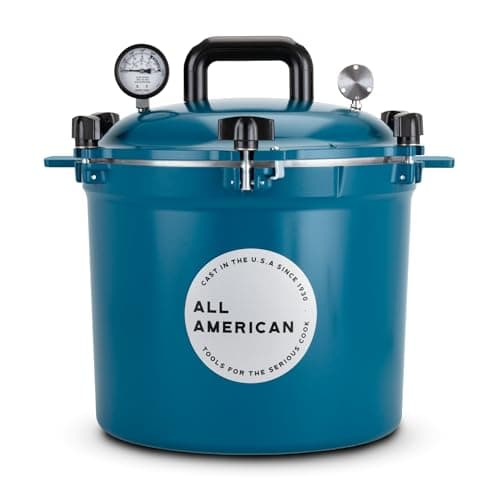
All American 921: 21.5 qt, gasketless metal seal
See price on AmazonSee it on Amazon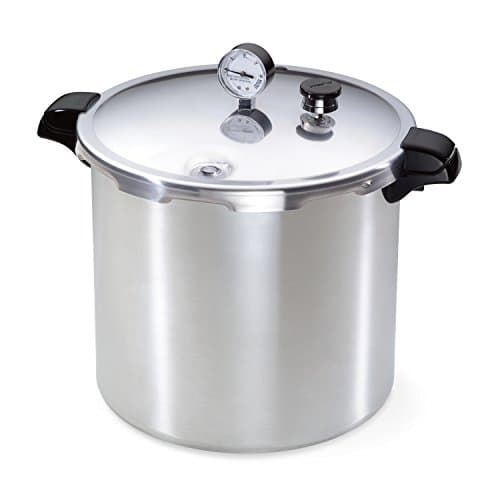
Presto 01781: 23 qt, 7 quarts, dial gauge
See price on AmazonSee it on Amazon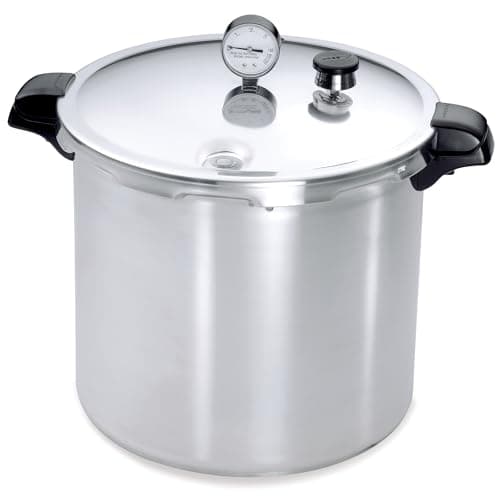
Presto 01784: 23 qt canner that works on induction
See price on AmazonSee it on Amazon
This page is for anyone who cans with a dial gauge pressure canner. A dial gauge is a small mechanical instrument, and it can drift out of accuracy without any obvious sign. Because pressure controls the temperature inside the canner, an inaccurate gauge can mean under-processed, unsafe food. We cover why yearly testing matters, where to get it done, how the test works, what to do with the results, and how weighted gauges differ. For background on gauge types, see weighted gauge vs dial gauge pressure canner.
Why dial gauges need testing
A pressure canner works because pressure raises the temperature of steam. The tested processing times for low acid foods assume a certain temperature, which you reach by holding a certain pressure. If your dial gauge reads high, the canner is actually at a lower pressure and temperature than you think, and food can be under-processed. If it reads low, food is over-processed, which hurts quality but is not a safety issue.
Dial gauges can lose accuracy from age, being dropped, or simply wear. There is no reliable way to check one by eye, which is why the USDA and NCHFP advise testing every year.
Note.An inaccurate gauge that reads high is a food safety risk. Do not can low acid foods with a dial gauge that has not been checked recently.
Where to get a gauge tested
Start with your county Cooperative Extension office, usually run through your state's land grant university. Many offer dial gauge testing, often for free or a small fee, especially in spring and summer. Call ahead, because not every office has testing equipment and some hold testing days.
Some canner makers also test their own gauges. Check your maker's website or customer service for current options. Hardware stores generally do not test gauges.
- County Cooperative Extension office (search your county name plus extension)
- State university extension food safety or family and consumer sciences programs
- Your canner maker's customer service
- Local canning classes and fairs that partner with extension
What happens during the test
You usually bring only the lid with the gauge attached, or the gauge alone if it removes easily. The tester connects it to a master gauge or testing unit and compares readings at several pressures, typically 5, 10 and 15 pounds.
The result tells you whether your gauge reads accurate, high or low at each point, and by how much. Write down the results and keep them with your canning notes.
- 1
Call the extension office to confirm they test your gauge brand.
- 2
Bring the canner lid with the gauge, or the gauge alone.
- 3
The tester compares your gauge to a reference at several pressures.
- 4
Record the readings and the date.
- 5
Follow the tester's advice on adjusting or replacing.
What to do with the results
If your gauge reads accurately, you are set for the season. If it reads slightly off, USDA guidance allows you to adjust the pressure you hold to compensate for a gauge that is off by up to 2 pounds, and to replace a gauge that is off by more. Many testers simply recommend replacing any inaccurate gauge, since replacement gauges are inexpensive compared with a ruined batch.
Also replace a gauge if the glass is cracked, the needle is bent, or it was dropped. Buy a replacement made for your canner model. After installing a new gauge, it is still worth testing it before use.
Accurate at 5, 10 and 15 psi
What to doUse it; retest next year
Off by up to 2 pounds
What to doFollow the tester's instructions to adjust, or replace it
Off by more than 2 pounds
What to doReplace the gauge
Damaged, cracked or dropped
What to doReplace and test the new one
| Result | What to do |
|---|---|
| Accurate at 5, 10 and 15 psi | Use it; retest next year |
| Off by up to 2 pounds | Follow the tester's instructions to adjust, or replace it |
| Off by more than 2 pounds | Replace the gauge |
| Damaged, cracked or dropped | Replace and test the new one |
Weighted gauges and other parts to check
Weighted gauges (the jiggler or rocker type) do not drift out of calibration the way dial gauges do, so they do not need yearly testing. Keep them clean and undamaged and make sure the vent pipe they sit on is clear. Many people choose weighted gauge canners for this reason, though at higher altitudes they round up to the next pressure.
While your canner is out for testing season, also inspect the gasket (if your canner has one), the overpressure plug, the vent pipe and the lid locking parts. Replace worn gaskets and plugs with parts made for your model. Check your altitude pressure with our USDA altitude pressure tool. If you are replacing a canner, see our best pressure canners.
Note.Use only tested recipes from the USDA Complete Guide to Home Canning, the National Center for Home Food Preservation or your canner maker's current manual. Do not guess processing times or pressures. Under-processed low acid food can carry botulism toxin without any sign of spoilage.
Frequently asked questions
How often should a pressure canner gauge be tested? Every year before canning season, according to USDA and NCHFP guidance, and again any time it is dropped or damaged.
Where can I get my pressure canner gauge tested near me? Call your county Cooperative Extension office. Many test gauges for free or a small fee. Your canner maker's customer service is another option.
Do weighted gauges need testing? No. Weighted gauges keep their accuracy. Keep them clean and check the vent pipe.
Can I can with a gauge that reads a little off? USDA guidance allows adjusting for a gauge off by up to 2 pounds, following the tester's instructions. Replace gauges off by more, or replace any time you are unsure.
What you need for this
- See price on AmazonAmazon
All American 921: 21.5 qt, gasketless metal seal