How-to
Chamber vacuum sealer pump oil: when and how to change it
Published
Short answer
Only chamber sealers with an oil rotary vane pump need oil changes; dry piston pumps do not. For oil pumps, run the conditioning cycle as the manual describes to drive moisture out, check the sight glass often, and change the oil on the maker's schedule or sooner when it turns milky or dark. Use the pump oil the maker specifies.
Gear for this job
All 6 picks compared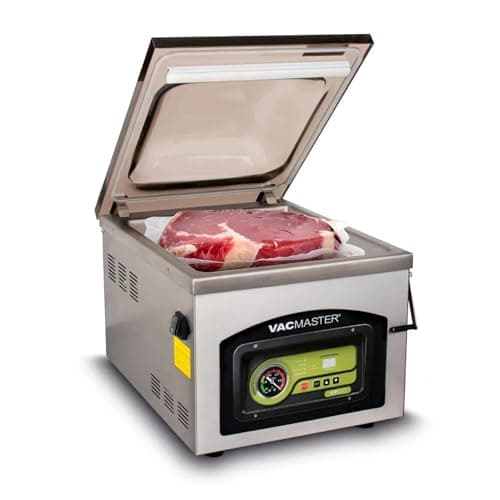
VacMaster VP230: 1/2 HP oil pump, 12.25 in bar
See price on AmazonSee it on Amazon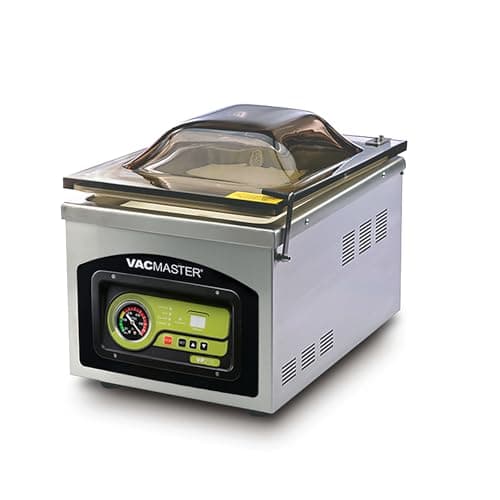
VacMaster VP210: dry pump, 10.25 in bar, 72 lb
See price on AmazonSee it on Amazon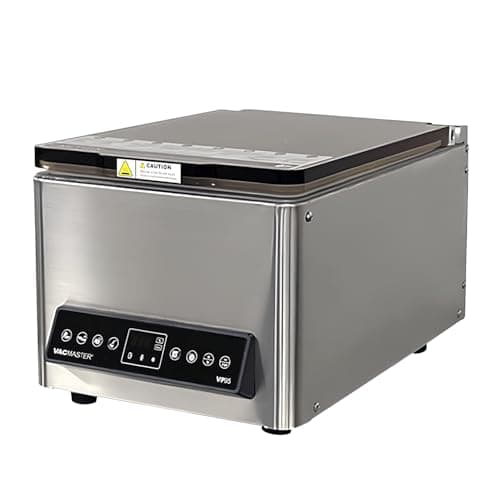
VacMaster VP95: smallest oil-pump model, 42.5 lb
See price on AmazonSee it on Amazon
This guide is for owners of chamber vacuum sealers, such as VacMaster, and for buyers trying to decide between an oil pump and a dry pump. It explains how the two pump types differ, what the conditioning cycle does, how to read the sight glass, and the steps for an oil change. Intervals and drain locations differ by model, so keep your manual handy and follow it over any general guide.
Oil pumps vs dry piston pumps
Chamber sealers use one of two pump types. Oil rotary vane pumps reach a deep vacuum quickly and run for long sessions, which is why larger commercial models such as the VacMaster VP215, VP230 and VP320 use them. They need oil checks, conditioning and oil changes.
Dry piston pumps need no oil. VacMaster sells the VP210 as maintenance free for that reason, and many smaller home chamber sealers use dry pumps too. They are lighter and simpler, but are usually slower and better suited to lighter use. If you are shopping, see best VacMaster chamber vacuum sealers and best chamber vacuum sealers.
Maintenance
Oil rotary vaneOil checks, conditioning, oil changes
Dry pistonNo oil
Cycle speed
Oil rotary vaneUsually faster
Dry pistonUsually slower
Duty
Oil rotary vaneLong sessions, heavy use
Dry pistonLight to moderate use
Weight
Oil rotary vaneHeavier
Dry pistonLighter
| Oil rotary vane | Dry piston | |
|---|---|---|
| Maintenance | Oil checks, conditioning, oil changes | No oil |
| Cycle speed | Usually faster | Usually slower |
| Duty | Long sessions, heavy use | Light to moderate use |
| Weight | Heavier | Lighter |
What the conditioning cycle does
When you seal moist food or liquids, water vapor reaches the pump and mixes with the oil. Over time that makes the oil milky, which lowers vacuum and wears the pump. Many oil pump chamber sealers have a conditioning or oil warm up function that runs the pump with the lid closed for several minutes. The heat drives moisture out of the oil.
Manuals commonly tell you to run it before the first use of the day if the machine has sat, and after sessions with wet food. Follow the timing your manual gives. Running it regularly is the easiest way to stretch time between oil changes.
When to change chamber sealer pump oil
Makers list oil change intervals in the manual, often as a number of operating hours or a time period, whichever comes first. Also change the oil sooner if the sight glass shows any of these signs.
- Oil looks milky or cloudy even after a conditioning cycle
- Oil is dark, brown or has particles
- Oil level is below the minimum line
- The machine takes noticeably longer to reach full vacuum
- The pump sounds louder or rougher than normal
How to change the oil
- 1
Run the conditioning cycle or a few empty cycles so the oil is warm. Warm oil drains more fully.
- 2
Unplug the sealer. Remove the cover or panel that gives access to the pump, as your manual shows.
- 3
Place a container under the drain plug and remove the oil fill cap so air can enter.
- 4
Remove the drain plug and let the oil drain fully. Some models need to be tilted; follow the manual.
- 5
Reinstall the drain plug with its seal.
- 6
Fill with the maker's specified vacuum pump oil to the middle of the sight glass. Do not overfill.
- 7
Replace the fill cap and covers, plug in the sealer and run a conditioning cycle.
- 8
Check the level again and top up if needed.
Note.Use only the vacuum pump oil your sealer's maker specifies. Wrong oil can foam, lower vacuum and damage the pump. Let a hot pump cool enough to handle, and dispose of used oil at a facility that accepts it.
Habits that protect the pump
Liquid boiling in the chamber is a sign the vacuum is pulling hard on warm liquid. Cold liquid boils less and sends less vapor to the pump. See how to vacuum seal liquids.
- Chill or partly freeze soups and liquids before sealing so they boil less in the chamber.
- Do not overfill bags with liquid; leave headroom.
- Wipe spills from the chamber right away.
- Run the conditioning cycle after wet sessions.
- Keep the sealer ventilated so the pump does not overheat.
- Log the date of each oil change on a label on the machine.
Troubleshooting after an oil change
If vacuum is weak right after a change, check that the drain plug and fill cap are tight and the oil level is correct. Check the lid gasket for food or a gap, and make sure the chamber is clean. If your machine still will not reach full vacuum, see chamber vacuum sealer not working.
Freeze dryer pumps follow a very similar routine. If you own both, see freeze dryer vacuum pump oil.
Frequently asked questions
Do all chamber vacuum sealers need oil? No. Only models with an oil rotary vane pump. Dry piston pump models, such as the VacMaster VP210, need no oil.
How often should I change VacMaster pump oil? Follow the interval in your model's manual, and change it sooner if the oil looks milky or dark or vacuum slows down.
What is the conditioning cycle on a chamber sealer? It runs the pump with the lid closed for several minutes so the oil warms up and drives out absorbed moisture.
Can I use any vacuum pump oil? Use the oil the maker specifies. Other oils may not hold vacuum well and can shorten pump life.